
Self-Guided Walking Tour of Harlem: A Comprehensive Plan
Embark on a captivating journey through Harlem’s vibrant streets, discovering its rich history and cultural landmarks at your own pace!
Harlem, a cultural epicenter, boasts a compelling narrative woven with threads of the Great Migration, the Harlem Renaissance, and the Civil Rights Movement; This historically Black neighborhood in Manhattan became a beacon of artistic expression, intellectual thought, and political activism.
From the early 20th century, Harlem attracted African Americans seeking opportunity and escaping Jim Crow laws. This influx fueled a blossoming of music, literature, and art, forever shaping American culture. Prepare to explore the legacies of luminaries like Duke Ellington and Langston Hughes as you traverse this iconic landscape.
Starting Point: The Apollo Theater
Begin your Harlem exploration at the legendary Apollo Theater (253 W 125th St), a cornerstone of African American entertainment since 1934. This iconic venue launched the careers of countless musical giants, including Billie Holiday and James Brown.
Take a moment to admire its Art Deco facade and imagine the electrifying performances that have graced its stage. Consider a guided tour to delve deeper into its history or simply soak in the atmosphere before continuing your self-guided walking adventure northward.
Stop 1: Historic Sugar Hill
Ascend into Sugar Hill, a neighborhood historically known as a haven for Black artists, intellectuals, and professionals during the Harlem Renaissance. Located primarily between 145th and 155th Streets, west of Lenox Avenue, this area offered a respite from discrimination.
Prepare to be captivated by the elegant brownstones and stately architecture that define this culturally significant district, reflecting a period of immense creativity and community pride.
Exploring the Architecture of Sugar Hill
Sugar Hill’s architectural landscape is a stunning display of early 20th-century design, primarily featuring beautiful brownstones and pre-war apartment buildings. Notice the intricate detailing, ornate facades, and the overall sense of grandeur that characterizes the area.
These buildings represent a period of prosperity and artistic flourishing within the Harlem community, offering a tangible connection to the neighborhood’s vibrant past. Take time to appreciate the craftsmanship!
The Legacy of Black Artists and Intellectuals
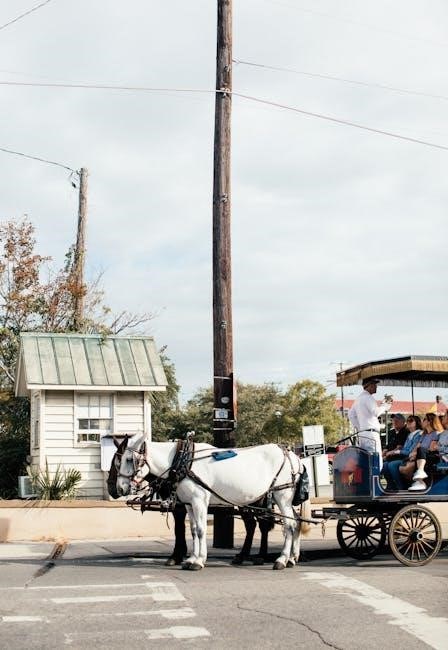
Sugar Hill became a haven for prominent Black artists, writers, and intellectuals during the Harlem Renaissance and beyond. Figures like Duke Ellington, Langston Hughes, and Zora Neale Hurston found inspiration and community within its streets.
Their presence fostered a creative atmosphere that shaped American culture, leaving an enduring legacy of artistic expression and intellectual thought still felt today. Explore the area and imagine their influence!
Stop 2: Strivers’ Row
Continue your tour to Strivers’ Row (West 138th to 141st Streets), a stunning block of Victorian-era townhouses. This area represents a significant period of Black middle-class prosperity in Harlem during the early 20th century.
Admire the beautiful architecture and learn about the community pride that defined this neighborhood. Strivers’ Row stands as a testament to the aspirations and achievements of its notable residents.
Victorian Architecture and Community Pride
Strivers’ Row showcases remarkably preserved Victorian architecture, reflecting the elegance and aspirations of its first residents. These brownstones, built primarily between 1890 and 1910, represent a period of significant growth and prosperity for Harlem’s Black community.
The area fostered a strong sense of community pride, becoming a symbol of achievement and a haven for Black professionals and artists.
Notable Residents of Strivers’ Row
Strivers’ Row attracted a distinguished roster of residents, including prominent figures in the arts, literature, and activism. W.E.B. Du Bois, a leading intellectual and civil rights activist, once resided on this prestigious street, contributing to its legacy of Black excellence.
Other notable inhabitants included musicians, doctors, and lawyers, solidifying Strivers’ Row as a center of Black cultural and professional life.
Stop 3: Abyssinian Baptist Church
Founded in 1906, Abyssinian Baptist Church stands as a beacon of faith and community in Harlem. This historic church has long been a cornerstone of Harlem’s spiritual life, fostering resilience and hope for generations.
Its powerful sermons and vibrant gospel music have resonated deeply, making it a vital hub for worship and social justice initiatives.
A Cornerstone of Harlem’s Spiritual Life
Abyssinian Baptist Church has profoundly shaped Harlem’s identity for over a century. It’s more than just a place of worship; it’s a community center, a source of strength, and a symbol of Black resilience.
The church’s enduring presence provides spiritual guidance and fosters a strong sense of belonging for countless Harlem residents, solidifying its role as a vital institution.
Its Role in the Civil Rights Movement
Abyssinian Baptist Church served as a crucial hub during the Civil Rights Movement. Pastors like Adam Clayton Powell Jr. utilized the church’s platform to advocate for racial equality and social justice.
It provided a safe space for organizing, strategizing, and mobilizing the community, becoming a powerful force in the fight against segregation and discrimination, leaving an indelible mark on history.
Stop 4: Jazz Age Harlem & “Swing Street” (135th Street)
Step back in time to the roaring 1920s and 30s, when Harlem pulsated with the energy of Jazz! 135th Street, known as “Swing Street,” was the epicenter of this cultural explosion.
Legendary venues like the Cotton Club hosted iconic performers, shaping the sound of a generation. Immerse yourself in the spirit of this golden age, walking where musical history was made.
The Cotton Club & Other Legendary Venues
The Cotton Club, a world-famous nightclub, epitomized the glamour and complexity of Jazz Age Harlem. Though segregated, it showcased Black talent to white audiences, launching the careers of numerous artists.
Alongside the Cotton Club, venues like Small’s Paradise and the Lenox Club thrived, creating a vibrant nightlife scene. These spaces were crucial for the development and popularization of jazz music, attracting both locals and visitors.
Billie Holiday & Duke Ellington’s Harlem
Harlem profoundly influenced musical giants like Billie Holiday and Duke Ellington, shaping their artistry and careers. Ellington’s orchestra was a mainstay at the Cotton Club, establishing his national reputation.
Billie Holiday, though facing hardship, found a creative home in Harlem’s clubs, developing her unique vocal style. Both artists contributed significantly to the Harlem Renaissance’s cultural legacy, leaving an indelible mark on jazz history and beyond.
Stop 5: Marcus Garvey Park (formerly Mount Morris Park)
Marcus Garvey Park, formerly known as Mount Morris Park, serves as a vital community hub and a testament to Pan-Africanism. Named after the influential activist Marcus Garvey, the park hosted numerous rallies and gatherings advocating for Black empowerment.
It remains a vibrant space for recreation and community events, embodying Garvey’s vision of Black self-determination and collective progress. Explore its monuments and enjoy the lively atmosphere!
A Hub for Community Gatherings
Marcus Garvey Park has long been a central gathering place for Harlem residents, fostering a strong sense of community. Throughout the years, it has hosted countless picnics, concerts, political rallies, and celebrations.
Today, the park continues to be a vibrant social space, offering recreational facilities and a welcoming environment for people of all ages. It’s a place where neighbors connect and traditions are upheld, strengthening Harlem’s social fabric.
The Influence of Marcus Garvey
Originally named Mount Morris Park, it was renamed in honor of Marcus Garvey, a prominent civil rights activist and Pan-Africanist. Garvey advocated for Black nationalism and self-reliance, inspiring millions worldwide.
His Universal Negro Improvement Association (UNIA) had a significant presence in Harlem, and the park served as a venue for his powerful speeches and rallies. Renaming the park symbolized Garvey’s lasting impact on the community and his enduring legacy.
Stop 6: Schomburg Center for Research in Black Culture
The Schomburg Center stands as a world-renowned archive dedicated to the research, preservation, and interpretation of Black history and culture. Originally a collection amassed by Arturo Schomburg, it became part of the New York Public Library in 1926.
Visitors can explore extensive exhibits, rare manuscripts, photographs, and artwork. The center offers invaluable resources for scholars, students, and anyone seeking a deeper understanding of the African diaspora.
A World-Renowned Archive of Black History
The Schomburg Center for Research in Black Culture is globally recognized for its unparalleled collection documenting the African and African American experience. Housing over 11 million items, it’s a treasure trove of manuscripts, prints, photographs, and more.
Its holdings span centuries and continents, offering a comprehensive view of Black life, thought, and artistic expression. Researchers and visitors alike benefit from this invaluable resource.
Exhibits and Resources Available
The Schomburg Center frequently hosts compelling exhibits showcasing its diverse collections, often exploring themes of identity, resistance, and cultural innovation. Beyond exhibits, the Center provides extensive research resources.
These include access to its archives, a robust library, and knowledgeable staff to assist with inquiries. Workshops, lectures, and public programs further enrich the visitor experience, making it a dynamic hub for learning and engagement.
Stop 7: Harlem Renaissance Landmarks on 130th Street
Step back in time on 130th Street, the epicenter of the Harlem Renaissance! This area pulsated with literary and artistic energy during the 1920s and 30s.
Imagine the vibrant scene where groundbreaking works were conceived and shared. Explore the locations that inspired giants like Langston Hughes and Zora Neale Hurston, feeling the echoes of their creativity and influence that still resonate today.
Exploring the Literary and Artistic Scene
Delve into the heart of the Harlem Renaissance’s creative explosion! 130th Street fostered a unique environment where writers, poets, musicians, and artists flourished.
Picture lively salons and gatherings where ideas were exchanged and masterpieces were born. This street witnessed the birth of a new cultural identity, powerfully shaping American art and literature. Discover the spirit of innovation and self-expression that defined this remarkable era.

Connections to Langston Hughes and Zora Neale Hurston
Walk in the footsteps of literary giants Langston Hughes and Zora Neale Hurston! 130th Street resonated with their voices and visions, becoming a hub for their creative endeavors.
Imagine Hughes composing his poignant poetry and Hurston crafting her compelling narratives within this vibrant community. Their works captured the essence of Harlem life, leaving an indelible mark on American literature and culture. Explore the places that inspired their groundbreaking artistry.
Stop 8: Rucker Park – Basketball’s Legendary Street Court
Experience the electrifying energy of Rucker Park, a globally renowned basketball haven! This legendary street court has fostered generations of basketball talent, becoming a proving ground for aspiring pros.
Witness the history etched into its asphalt, where countless games have unfolded. Many famous players, including NBA stars, honed their skills here. Feel the pulse of the community and the spirit of competition that defines Rucker Park’s enduring legacy.
The History of Rucker Park Basketball
Rucker Park’s basketball legacy began in 1943, founded by Holcombe Rucker, a New York City playground director. Initially, it was a summer league designed to provide a safe haven for youth through sports.
Over decades, it evolved into a legendary showcase for streetball, attracting top talent and becoming a cultural icon. The park’s unique rules and competitive atmosphere fostered innovation and birthed countless basketball legends, solidifying its place in sports history.
Famous Players Who Have Played at Rucker Park
Rucker Park has witnessed the skills of basketball giants, becoming a proving ground for future NBA stars. Legendary figures like Wilt Chamberlain, Kareem Abdul-Jabbar, and Julius Erving graced its courts, honing their skills against fierce competition.
More recently, players such as Kevin Durant, LeBron James, and Kyrie Irving have participated, adding to the park’s illustrious history and continuing its tradition of showcasing exceptional talent.
Food & Drink Stops Along the Way
Refuel your exploration with Harlem’s diverse culinary scene! Sylvia’s Restaurant offers a classic soul food experience, serving up comforting dishes for generations. For a modern twist, Red Rooster Harlem presents innovative American cuisine with a nod to the neighborhood’s heritage.
Numerous smaller cafes and eateries provide quick bites and refreshments, ensuring you stay energized throughout your walking tour.
Sylvia’s Restaurant: Soul Food Tradition
Sylvia’s Restaurant, a Harlem institution, embodies the heart and soul of Southern cuisine. Founded in 1962, it quickly became a gathering place for the community and a destination for soul food lovers.
Indulge in iconic dishes like fried chicken, collard greens, and mac and cheese – recipes passed down through generations. Experience a true taste of Harlem’s culinary heritage!
Red Rooster Harlem: Modern Harlem Cuisine
Red Rooster Harlem, established by Chef Marcus Samuelsson, offers a contemporary take on classic Harlem flavors. This vibrant restaurant blends Ethiopian influences with American soul food traditions, creating a unique dining experience.
Enjoy innovative dishes and a lively atmosphere, reflecting the neighborhood’s dynamic spirit. It’s a must-visit for those seeking a modern culinary adventure in Harlem!
Tips for a Safe and Enjoyable Walk
Prioritize safety and comfort during your Harlem exploration. Stay aware of your surroundings, especially during evening hours, and stick to well-lit, populated streets. Wear comfortable shoes, as you’ll be doing a lot of walking!
Hydrate regularly, and consider bringing a portable charger for your phone. Respect the community and its residents, and enjoy the vibrant atmosphere of Harlem!
Transportation Options to and from Harlem
Harlem is easily accessible via various transportation methods. The subway is a convenient option, with lines like the 2, 3, A, B, C, and D stopping in Harlem. Several bus routes also serve the area, providing extensive coverage.
Taxis and ride-sharing services are readily available, offering door-to-door convenience. Consider utilizing the Metro-North Railroad for travel from areas north of the city!
Resources for Further Exploration
Dive deeper into Harlem’s captivating story with these valuable resources. Explore dedicated Harlem tourism websites for updated event listings and detailed neighborhood guides. Numerous books and documentaries offer insightful perspectives on the Harlem Renaissance, its music, and its influential figures.

The Schomburg Center’s website is also a fantastic resource, providing access to a wealth of historical materials and exhibits!
Harlem Tourism Websites
Enhance your exploration with these dedicated online resources! Several websites provide comprehensive guides to Harlem’s attractions, events, and cultural experiences. Discover walking tour maps, historical information, and local business directories. These platforms often feature user reviews and updated schedules for performances and exhibitions.

Look for sites offering curated itineraries and insider tips to maximize your Harlem adventure!
Books and Documentaries about Harlem
Deepen your understanding of Harlem’s legacy through literature and film! Explore insightful books detailing the Harlem Renaissance, its musical evolution, and the lives of its prominent figures. Numerous documentaries offer visual narratives of Harlem’s history, social movements, and artistic contributions.
These resources provide valuable context and enrich your self-guided walking tour experience, fostering a deeper connection to this iconic neighborhood.
Concluding Thoughts: The Enduring Spirit of Harlem
Harlem’s resilience and cultural vibrancy remain powerfully evident today. This self-guided tour merely scratches the surface of its complex history and ongoing evolution. From its artistic explosion during the Renaissance to its pivotal role in the Civil Rights Movement, Harlem continues to inspire.
Experience the enduring spirit of community, creativity, and pride that defines this remarkable neighborhood.
Leave a Reply
You must be logged in to post a comment.