
Risk Assessment Template for Manual Handling: A Comprehensive Plan
A crucial process, manual handling risk assessments pinpoint dangers and implement safety measures. These assessments minimize risks associated with lifting, carrying, pushing, or pulling loads.
This plan helps understand key assessment components and addresses vital control methods for manual handling tasks, ensuring workplace safety and compliance.
Manual handling risk assessments are fundamental to workplace safety, proactively identifying hazards associated with tasks involving lifting, lowering, carrying, pushing, or pulling. These assessments aren’t merely about ticking boxes; they’re about safeguarding employees from musculoskeletal disorders (MSDs) – injuries affecting muscles, bones, and joints – which are a leading cause of work-related ill health.
The core purpose is to systematically evaluate the risks inherent in each manual handling activity. This involves a detailed examination of the task itself, the load’s characteristics (weight, size, shape), and the surrounding working environment (space, flooring, lighting). Crucially, individual capabilities and any pre-existing health conditions must also be considered.
Effective assessments don’t just identify risks; they necessitate the implementation of appropriate control measures. These measures, guided by a hierarchy of control – elimination, engineering controls, administrative controls, and PPE – aim to reduce or eliminate the identified risks. Regular review and documentation are vital to ensure ongoing effectiveness and compliance with legal requirements, ultimately fostering a safer and healthier work environment for all.

Legal Requirements & Guidance
Employers have a legal duty, under health and safety regulations, to protect their employees from risks associated with manual handling. Key legislation, such as the Manual Handling Operations Regulations, outlines specific requirements for risk assessment, control measures, and employee training. Failure to comply can result in significant penalties.
Guidance from organizations like the Health and Safety Executive (HSE) provides practical advice on conducting effective risk assessments. This guidance emphasizes a systematic approach, focusing on identifying hazardous tasks, evaluating risks, and implementing appropriate controls. It also stresses the importance of employee involvement in the assessment process.
The regulations require employers to avoid manual handling where reasonably practicable. When it cannot be avoided, employers must reduce the risks to the lowest level reasonably practicable. This includes providing adequate training, ensuring suitable equipment is available, and implementing safe work procedures. Regular review of assessments and controls is also mandated to maintain their effectiveness and ensure ongoing compliance with legal standards.
Defining Hazardous Manual Handling
Hazardous manual handling encompasses any transporting or supporting of a load by hand or bodily force, potentially causing injury. This isn’t simply about heavy lifting; it includes repetitive actions, awkward postures, and prolonged physical exertion. Tasks involving pushing, pulling, carrying, lowering, or raising loads all fall under this definition.
A task is considered hazardous when the risk of injury is significant. Factors contributing to this risk include the weight of the load, how it’s held, the distance it’s carried, the frequency of the task, and the working environment. Poor posture, twisting, bending, and reaching during handling significantly increase the risk.
Identifying hazardous tasks requires careful observation of work activities. Consider tasks where employees are straining, struggling, or adopting awkward positions. Even seemingly light loads can be hazardous if handled repeatedly or in unfavorable conditions. Recognizing these elements is the first step towards a comprehensive risk assessment and implementing effective control measures to protect employee wellbeing.
The Purpose of a Risk Assessment Template
A manual handling risk assessment template serves as a structured framework for identifying, evaluating, and controlling risks associated with tasks involving physical exertion. Its primary purpose is to proactively prevent musculoskeletal disorders (MSDs) – injuries affecting muscles, bones, and joints – caused by unsafe handling practices.
The template ensures a systematic approach, guiding users through each stage of the assessment process. This includes identifying hazardous tasks, analyzing load characteristics, evaluating the working environment, and determining appropriate control measures. It promotes consistency and thoroughness, minimizing the chance of overlooking critical risk factors.

Furthermore, a documented template provides a clear record of the assessment findings, control measures implemented, and review dates. This documentation is crucial for demonstrating compliance with health and safety regulations, facilitating training, and continuously improving workplace safety. Utilizing a template streamlines the process, making risk assessment more efficient and effective for organizations of all sizes.
Step 1: Identify the Hazardous Manual Handling Tasks
The initial step in a manual handling risk assessment involves a comprehensive review of all work activities to pinpoint tasks that present a risk of injury. This isn’t limited to obvious heavy lifting; it encompasses any activity requiring employees to use force or adopt awkward postures to move or support loads.
Consider tasks like lifting, lowering, pushing, pulling, carrying, twisting, bending, and reaching. Look beyond solely the weight of the load. Factors such as repetitive movements, prolonged physical exertion, and uncomfortable postures significantly contribute to risk. Observe employees performing these tasks to gain firsthand insight into potential hazards.
Document all identified tasks, even those seemingly minor. A thorough inventory is crucial. Include details about the frequency, duration, and specific movements involved. This detailed list forms the foundation for subsequent risk assessment stages, ensuring no potential hazard is overlooked. Remember to involve employees in this process, as they possess valuable knowledge of their daily tasks and potential risks.
Task Analysis – Detailed Breakdown
Following task identification, a detailed breakdown is essential. This involves dissecting each hazardous manual handling task into its constituent parts to understand precisely how the risk arises. Don’t simply note “lifting boxes”; instead, detail the entire process – from approaching the load, gripping, lifting, carrying distance, lowering, and finally, placing the box.
Analyze the postures adopted during each stage. Are employees bending excessively? Twisting their backs? Reaching awkwardly? Note the height at which lifting and lowering occur. Consider the frequency and duration of each movement. Is the task repetitive? Does it require sustained effort?
Document these observations meticulously. A checklist or flowchart can be helpful. This granular level of detail allows for a more accurate assessment of the risks involved and facilitates the development of targeted control measures. This breakdown isn’t just about identifying hazards; it’s about understanding the mechanics of the risk, paving the way for effective prevention strategies.
Load Characteristics – Weight, Size, and Shape
Assessing the load itself is paramount. The weight is the most obvious factor – exceeding safe lifting limits significantly increases risk. However, size and shape are equally crucial. Bulky loads obstruct vision, increasing the chance of collisions or awkward postures. Irregularly shaped loads are harder to grip and can shift during movement, leading to instability.
Consider the load’s center of gravity. An unevenly distributed weight makes the load harder to control. Is the load easily gripped, or are there no convenient handholds? Are handles present, and are they adequate? The nature of the load – is it rigid, unstable, or likely to shift its contents – also impacts risk.
Document the weight accurately. Don’t rely on estimates. If the weight isn’t clearly marked, it must be determined. Record the dimensions and a description of the shape. This detailed characterization informs the risk assessment and helps determine appropriate handling methods and potential mechanical aids. Ignoring these characteristics can lead to underestimated risks and potential injuries.
Working Environment Factors – Space, Flooring, Lighting
The surrounding environment significantly influences manual handling risks. Insufficient space restricts movement, forcing awkward postures and increasing the likelihood of bumping into objects or people. Congested areas demand careful maneuvering, adding to the cognitive load and potential for errors.
Flooring conditions are critical. Slippery surfaces increase the risk of slips, trips, and falls, especially when carrying a load. Uneven flooring creates instability and can strain muscles. Obstructions on the floor, like trailing cables or boxes, present trip hazards.
Adequate lighting is essential for clear visibility. Poor lighting obscures hazards, making it difficult to assess distances and grip loads securely. Shadows can create illusions, increasing the risk of misjudging the load’s weight or stability. Ensure sufficient illumination throughout the handling area. Regularly inspect and maintain these environmental factors to minimize risks and promote safe manual handling practices.

Step 2: Assess the Risks – The Risk Matrix
Following hazard identification, a thorough risk assessment is crucial. This involves evaluating the potential severity of harm and the likelihood of it occurring. A risk matrix is a valuable tool for this process, providing a structured approach to quantifying risk levels.
The matrix typically uses a scale for both severity and likelihood. Severity might range from ‘minor injury’ to ‘fatal injury’, while likelihood could span from ‘rare’ to ‘almost certain’. Each combination of severity and likelihood is assigned a risk level – low, medium, or high.
For example, a task with high severity (potential for serious injury) and high likelihood (frequent occurrence) would be categorized as a ‘high’ risk, demanding immediate attention. Conversely, a task with low severity and low likelihood would be ‘low’ risk, requiring minimal intervention. Utilizing a risk matrix ensures a consistent and objective evaluation of hazards, prioritizing control measures effectively. This systematic approach is fundamental to a robust manual handling risk assessment.
Severity of Potential Harm
Determining the severity of potential harm is a critical component of risk assessment. This involves evaluating the worst-case scenario resulting from a hazardous manual handling task. Severity isn’t simply about the immediate injury; it encompasses long-term health effects and potential impact on the individual’s quality of life.
Categories of severity typically range from negligible – minor cuts or bruises requiring first aid – to catastrophic, encompassing fatalities or permanent disabilities. Moderate harm includes injuries requiring medical treatment, such as sprains or strains, potentially leading to time off work. Serious harm involves fractures, concussions, or other significant injuries with long-lasting effects.
Accurately assessing severity requires considering the nature of the load, the task performed, and the working environment. For instance, lifting a heavy, awkwardly shaped object overhead carries a higher severity risk than lifting a light box at waist height. A clear understanding of potential consequences is vital for prioritizing control measures and protecting employees from significant harm.
Likelihood of Occurrence
Evaluating the likelihood of a hazardous event occurring is a cornerstone of effective risk assessment. This isn’t about if an injury could happen, but how probable it is given the current control measures (or lack thereof). Likelihood considers the frequency of the task, the number of employees exposed, and the reliability of existing safeguards.
Categories of likelihood generally range from rare – an event that might occur only in exceptional circumstances – to almost certain, meaning the event will likely occur frequently. Occasional implies the event could happen sometimes, while probable suggests it will likely occur several times. Frequent indicates the event happens regularly.
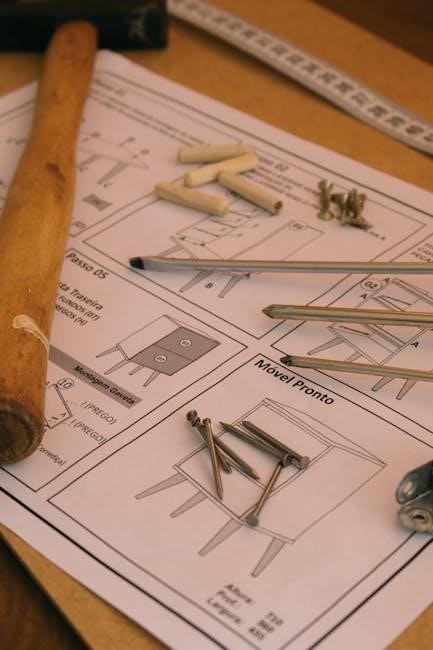
Factors influencing likelihood include the skill level of operators, the clarity of work procedures, and the maintenance of equipment. A poorly trained employee performing a repetitive task with inadequate mechanical aids significantly increases the likelihood of injury. Regular monitoring and review of tasks are crucial to accurately assess and adjust likelihood ratings, ensuring ongoing safety.

Calculating Risk Levels (Low, Medium, High)
Risk level determination is achieved by combining the assessed severity of potential harm with the likelihood of occurrence, typically using a risk matrix. This matrix visually represents the risk, categorizing it as low, medium, or high, guiding prioritization of control measures.
A low-risk scenario generally involves minimal harm and a low probability of occurrence, often requiring only routine monitoring. Medium risks demand more immediate attention, necessitating the implementation of specific control measures within a defined timeframe. High-risk situations require immediate action to eliminate or significantly reduce the risk, potentially halting the task until adequate controls are in place.
The matrix itself is customizable, but commonly employs a 3×3 or 5×5 grid. For example, a ‘high’ severity combined with ‘probable’ likelihood would result in a ‘high’ risk rating. Consistent application of the matrix ensures objectivity and facilitates clear communication of risk levels to all stakeholders, driving effective risk management.
Step 3: Control Measures – The Hierarchy of Control
Implementing effective control measures follows a hierarchical approach, prioritizing the most effective solutions first. This hierarchy begins with elimination – completely removing the manual handling task if feasible. If elimination isn’t possible, substitution, replacing a hazardous task with a safer one, is considered.
Engineering controls represent the next level, utilizing mechanical aids like trolleys, hoists, and conveyor belts to reduce physical strain. Following this are administrative controls, encompassing safe work procedures, comprehensive training programs, and task rotation to minimize repetitive motions and fatigue. These controls focus on changing the way work is done.
Finally, as a last resort, Personal Protective Equipment (PPE) is utilized. While PPE doesn’t eliminate the risk, it can mitigate potential harm. The hierarchy emphasizes proactively addressing risks at their source, rather than relying solely on protective measures. Prioritizing these steps ensures a robust and sustainable safety strategy.
Elimination of Manual Handling Tasks
The most effective control measure is the complete elimination of the manual handling task itself. This involves questioning whether the task is truly necessary and exploring alternative methods that remove the need for manual effort. Can the process be automated? Is redesigning the workflow possible to avoid lifting and carrying?
Consider restructuring the operation to deliver materials directly to the point of use, bypassing manual movement. Perhaps utilizing a different delivery method, such as direct shipment in smaller, more manageable quantities, could eliminate the need for manual unpacking and distribution.
Elimination isn’t always feasible, but it should always be the first consideration. Thoroughly evaluate each task to determine if it can be removed entirely. This proactive approach offers the greatest reduction in risk and demonstrates a commitment to worker safety. Removing the hazard entirely is always preferable to managing it.
Engineering Controls – Mechanical Aids (Trolleys, Hoists)
When elimination isn’t possible, engineering controls are the next most effective risk reduction strategy. These involve modifying the workplace or providing equipment to assist with manual handling tasks, reducing the physical demands on workers. Mechanical aids like trolleys, hoists, and conveyor belts are prime examples.
Trolleys are ideal for moving loads horizontally, minimizing carrying distances and reducing strain. Hoists are crucial for lifting heavy objects vertically, eliminating the need for manual lifting and reducing the risk of back injuries. Conveyor belts automate the movement of items, removing the need for manual pushing or pulling.
Proper selection and maintenance of these aids are vital. Ensure equipment is appropriate for the load weight and size, and that workers are trained in its safe operation. Regular inspections and maintenance are essential to prevent malfunctions and ensure continued effectiveness. Investing in these tools demonstrates a commitment to worker wellbeing and reduces long-term injury costs.
Administrative Controls – Safe Work Procedures & Training
Alongside engineering solutions, administrative controls play a vital role in minimizing manual handling risks. These focus on changing the way work is done, through safe work procedures and comprehensive training programs. Clear, documented procedures should detail the safest method for each task, including proper lifting techniques, load positioning, and carrying distances.
Effective training is paramount. Workers must understand the risks associated with manual handling, how to correctly use mechanical aids, and the importance of following safe work procedures. Training should be regularly refreshed and tailored to specific job roles. Task rotation is another valuable administrative control, reducing repetitive strain by varying the physical demands placed on individuals.

Furthermore, implementing work scheduling that avoids rushing and allows for adequate rest breaks can significantly reduce fatigue-related injuries. Encouraging reporting of near misses and providing feedback on safe work practices fosters a positive safety culture. These controls, when implemented correctly, create a safer and more efficient work environment.
Step 4: Implement Control Measures
Following risk assessment, implementing control measures is crucial for protecting workers. This phase translates identified solutions into practical actions. Prioritize controls based on the hierarchy – elimination or substitution being the most effective, followed by engineering, administrative, and finally, PPE.
Operator training and competency verification are essential. Ensure all personnel understand and can demonstrate safe handling techniques before undertaking tasks. Task rotation and carefully planned work schedules should be introduced to minimize repetitive strain and fatigue. Regularly monitor adherence to new procedures.
PPE, while the last line of defense, should be provided where risks cannot be fully eliminated. This might include gloves for grip, back supports (with caution and proper guidance), and safety footwear; Crucially, implementation isn’t a one-time event. Continuous monitoring and adjustments are needed to ensure controls remain effective and adapt to changing work conditions. Document all implemented measures and training records meticulously.
Operator Training & Competency
Effective manual handling relies heavily on a well-trained and competent workforce. Training programs must cover proper lifting techniques – back straight, bending knees, keeping loads close to the body – and safe carrying procedures. Employees need to understand risk factors, including load weight, awkward postures, and repetitive movements.

Competency isn’t simply attendance; it requires demonstrable skill. Practical assessments, observing employees performing tasks, and providing constructive feedback are vital. Training should be regularly refreshed, especially when tasks or equipment change. It’s crucial to address individual capabilities and limitations, offering tailored guidance where needed.
Beyond technique, training should emphasize hazard recognition and reporting. Employees must feel empowered to identify unsafe situations and communicate concerns without fear of reprisal. Documentation of all training sessions, including attendee lists and assessment results, is essential for demonstrating due diligence and legal compliance. A competent operator is a safe operator, minimizing the risk of injury.

Task Rotation & Work Scheduling
Implementing task rotation is a proactive strategy to mitigate the risks associated with repetitive manual handling. By regularly switching employees between different tasks, the strain on specific muscle groups is reduced, preventing overuse injuries and fatigue. This approach distributes the physical demands more evenly across the workforce.
Effective work scheduling complements task rotation. Incorporating frequent, short breaks allows muscles to recover and reduces the cumulative effect of physical exertion. Avoiding prolonged periods of continuous manual handling is paramount. Scheduling heavier tasks during periods of peak energy levels can also improve safety and efficiency.
Consider individual capabilities when designing rotation schedules. Some employees may require more frequent breaks or less physically demanding tasks. A flexible approach, tailored to the needs of the workforce, is more effective than a rigid, one-size-fits-all system. Proper planning and communication are key to successful implementation, ensuring fairness and minimizing disruption to workflow.
Personal Protective Equipment (PPE) Considerations
While PPE is the last line of defense in the hierarchy of control, it plays a crucial role in minimizing manual handling risks. It should not be relied upon as the primary means of protection, but rather as a supplementary measure when other controls are insufficient.
Appropriate PPE for manual handling tasks includes gloves to improve grip and protect hands from abrasions, and supportive footwear to enhance stability and reduce strain on feet and ankles. Back supports may be considered, but their effectiveness is debated and should be evaluated carefully, ensuring they don’t create a false sense of security.
Selection of PPE must be based on a thorough risk assessment, considering the specific hazards of each task. Proper training on the correct use, maintenance, and limitations of PPE is essential. Regularly inspect PPE for damage and replace it when necessary. Crucially, PPE should fit properly and be comfortable to encourage consistent use, maximizing its protective benefits.
Step 5: Documenting the Risk Assessment
Thorough documentation is paramount for a robust manual handling risk assessment. A comprehensive record should detail all identified hazards, assessed risks, and implemented control measures. This record serves as evidence of due diligence and demonstrates a commitment to employee safety.
The documentation must include the date of the assessment, the names of the assessors, and a clear description of the tasks evaluated; Specific details regarding load characteristics, environmental factors, and individual capabilities should be recorded. Furthermore, the risk matrix used and the rationale behind risk level assignments are essential components.
Regular review dates must be established and adhered to, ensuring the assessment remains current and effective. Any changes to tasks, equipment, or the working environment necessitate a reassessment and updated documentation. Maintaining accurate and accessible records is vital for monitoring control measure effectiveness and continuous improvement of workplace safety practices.
Risk Assessment Record Keeping & Review Dates
Maintaining meticulous records of manual handling risk assessments is legally required and crucial for demonstrating a proactive safety culture. These records should be readily accessible to all relevant personnel, including employees, supervisors, and health and safety representatives.
Essential elements of the record include the assessment date, assessor details, task descriptions, identified hazards, risk levels, and implemented control measures. Documentation of any training provided and employee feedback is also vital. Records should be stored securely, whether in physical or electronic format, ensuring confidentiality and preventing loss or damage.
Regular review dates are non-negotiable. Assessments should be reviewed at least annually, or more frequently if significant changes occur – such as new equipment, altered work processes, or incident reports. The review process verifies the continued effectiveness of control measures and identifies areas for improvement. Documenting the review findings, including any updates made, completes the cycle of continuous safety management.
Monitoring & Review of Control Measures
Effective control measures aren’t simply ‘fit and forget’; continuous monitoring and regular review are paramount. This ensures implemented safeguards remain effective in mitigating manual handling risks over time. Monitoring involves observing work practices, gathering employee feedback, and analyzing incident data to identify potential weaknesses.
Regular inspections of equipment, such as trolleys and hoists, are essential, alongside checks to confirm safe work procedures are consistently followed. Employee consultations provide valuable insights into the practicality and effectiveness of controls from those directly involved. Any reported issues or near misses must be investigated promptly and thoroughly.
Reviewing the assessment should occur annually, or whenever changes impact the task, environment, or personnel. This process determines if existing controls are still adequate or if adjustments are needed. Documenting review findings, including any modifications made, demonstrates a commitment to ongoing safety improvement and legal compliance. Taking action and verifying its effect is crucial.
Leave a Reply
You must be logged in to post a comment.