Burton snowboard boots prioritize comfort and performance, employing a precise sizing system. Utilizing the Mondopoint system—measuring foot length in centimeters—Burton aims for a true-to-size fit.
Comprehensive charts cater to men, women, and youth, including half sizes and wide options, ensuring informed decisions for optimal riding experiences.
Understanding the Importance of Proper Fit
Properly fitted snowboard boots are paramount for both performance and comfort on the mountain. Ill-fitting boots can lead to a range of issues, from painful pressure points and blisters to reduced control and increased risk of injury. Burton emphasizes a precise fit, recognizing that even slight discrepancies can significantly impact your riding experience.
A snug, yet comfortable, fit ensures optimal energy transfer between your body and the snowboard, allowing for precise maneuvering and responsiveness. Conversely, boots that are too loose can cause heel lift, diminishing control and potentially leading to falls. Burton’s sizing philosophy centers around eliminating guesswork, providing riders with boots that feel like an extension of their own feet, maximizing enjoyment and minimizing discomfort throughout the day.
The Mondopoint System Explained
Burton utilizes the Mondopoint system, a globally recognized standard for snowboard boot sizing, focusing on actual foot length rather than traditional shoe sizes. This system measures your foot in centimeters, providing a more accurate and consistent fit across different brands. To determine your Mondopoint size, you measure the length of your foot from heel to the longest toe.
Unlike standard sizing which can vary, Mondopoint offers a precise measurement, eliminating confusion and reducing the likelihood of incorrect sizing. Burton sizing charts directly correlate foot length (in centimeters) to the corresponding Mondopoint size. This ensures a true-to-size fit, minimizing the need for guesswork and maximizing comfort and performance on the slopes.
Decoding Burton’s Sizing Charts
Burton provides detailed sizing charts for men, women, and youth, incorporating Mondopoint measurements and width options for a precise, comfortable, and performance-driven fit.
Men’s Burton Snowboard Boot Size Guide
Burton’s men’s boot sizing revolves around the Mondopoint system, measuring foot length in centimeters. It’s crucial to accurately measure your feet, as this dictates the correct boot size. Burton charts typically correlate US shoe sizes to Mondopoint, offering a starting point, but foot length is paramount.
Men should consult Burton’s official size chart, available on their website, for the most up-to-date information. Consider that sizing can vary slightly between different boot models due to internal volume and construction. If between sizes, Burton generally recommends sizing up for optimal comfort and performance, especially for all-day riding. Remember to account for sock thickness during measurement, as thicker socks will impact the fit.
Wide-footed men should explore Burton’s wide boot options, designed to accommodate larger foot volumes. Proper fit minimizes heel lift and maximizes control on the mountain.
Women’s Burton Snowboard Boot Size Guide
Burton’s women’s snowboard boot sizing, like the men’s, centers on the Mondopoint system – measuring foot length in centimeters. Women’s feet generally have a different shape than men’s, requiring specifically designed lasts and sizing charts. Accurate foot measurement is vital for a comfortable and responsive fit.
Refer to Burton’s official women’s size chart online, noting the correlation between US shoe sizes and Mondopoint measurements. If you fall between sizes, it’s often recommended to size up, particularly if you prefer a more relaxed fit or plan on wearing thicker socks. Consider the boot’s intended use; a stiffer boot might benefit from a slightly snugger fit.
Burton offers wide boot options for women with wider feet, ensuring adequate volume and preventing pressure points.
Youth Burton Snowboard Boot Size Guide
Burton prioritizes proper fit for young snowboarders, understanding growing feet require specific attention. The youth boot size guide utilizes the Mondopoint system, measuring foot length in centimeters, mirroring the adult sizing approach. However, youth boots feature narrower lasts and softer flexes tailored for developing riders.
Consult Burton’s dedicated youth size chart, carefully comparing foot length to Mondopoint equivalents. Growth is rapid at this age, so avoid overly generous sizing; a snug, secure fit is crucial for control. Consider sock thickness when measuring.
Burton offers a range of youth boot sizes, accommodating various foot sizes and skill levels. Regularly check fit as children grow!
Measuring Your Feet for Burton Boots
Accurate foot measurement is vital for a precise Burton boot fit. Utilize the Mondopoint system, measuring foot length in centimeters, for optimal sizing and performance.
How to Accurately Measure Foot Length
To determine your correct Mondopoint size for Burton boots, precise foot length measurement is crucial. Place a piece of paper against a wall and stand with your heel firmly against the wall.
Trace the outline of your foot carefully, ensuring the pen or pencil is held vertically. Measure the longest distance from the heel to the tip of your longest toe in centimeters. Repeat this process for both feet, as slight variations are common.
Use the larger measurement when referencing Burton’s sizing charts. It’s best to measure later in the day, as feet tend to swell throughout the day. Accurate measurement ensures optimal comfort and performance on the slopes, avoiding potential sizing issues.
Considering Sock Thickness
When measuring your feet for Burton snowboard boots, always account for the thickness of the socks you intend to wear while riding. Snowboard socks are specifically designed to provide cushioning and warmth without compromising boot fit.
Wear your typical snowboarding socks during the measurement process. Thicker socks will naturally increase your foot’s overall volume, requiring a slightly larger boot size. Failing to consider sock thickness can lead to boots that feel too tight or cause discomfort during use.
Burton recommends using dedicated snowboard socks for accurate sizing. This ensures a comfortable and performance-oriented fit, maximizing your enjoyment on the mountain.
Accounting for Foot Width
Foot width is a crucial factor when determining your Burton snowboard boot size. While Mondopoint focuses on length, a narrow or wide foot can significantly impact fit and comfort. Burton offers specific “Wide” models designed to accommodate broader feet, preventing pressure points and ensuring optimal circulation.
If you naturally have wider feet, consider opting for a wide boot model. Even within standard sizes, some Burton boots are inherently wider than others. Conversely, individuals with narrow feet might benefit from utilizing footbeds or liners to achieve a snugger fit.
Proper width ensures control and responsiveness, enhancing your overall snowboarding experience.
Burton Boot Features Affecting Fit
Burton boot features like flex, liner types, and closure systems (BOA) greatly influence fit. Heat-moldable liners and adjustable BOA systems customize comfort and performance.
Flex and its Impact on Sizing
Burton snowboard boot flex significantly impacts how a boot fits and performs. Softer flex boots generally offer more comfort and forgiveness, potentially allowing for a slightly looser fit without sacrificing control. However, a softer boot might compress more during riding, potentially leading to heel lift if not properly sized.
Conversely, stiffer flex boots provide enhanced responsiveness and support, demanding a more precise fit. A tighter fit is crucial with stiffer boots to maximize power transfer and prevent unwanted movement within the boot. Some riders find they tighten stiffer boots more over time as the flex settles.
Considering your riding style and preference is key; a beginner might prefer a softer flex for comfort, while an aggressive rider will benefit from a stiffer flex and a snug, secure fit. Always prioritize a fit that minimizes movement within the boot, regardless of flex.
Liner Types and Heat Molding
Burton snowboard boots utilize various liner types, each influencing fit and comfort. Dual-density liners offer targeted support and cushioning, while heat-moldable liners conform to your foot’s unique shape for a personalized fit. Heat molding is crucial for maximizing comfort and performance, especially with stiffer boots.
The process involves warming the liners—either through a boot fitter or by riding—allowing them to mold to your foot’s contours. This reduces pressure points and improves overall fit. Different liners react differently to heat, so follow Burton’s specific instructions.
Consider liner thickness when sizing; thicker liners can reduce volume, potentially requiring a slightly larger boot size. Properly heat-molded liners enhance responsiveness and minimize heel lift, contributing to a more enjoyable riding experience.
BOA Systems and Pressure Points
Burton frequently employs BOA lacing systems, offering precise and customizable fit adjustments. However, single BOA systems, like those found in some Photon models, can create uneven pressure distribution. Users have reported instep numbness due to faster tightening in that area compared to the shin.
This occurs because a single dial controls the entire boot, lacking independent zone adjustments. Multiple BOA zones—found in higher-end boots like the Ion—allow for targeted tightening, mitigating pressure points. Proper lacing technique is vital; avoid over-tightening, especially around the instep.
Consider bindings that offer adjustability to complement the boot’s lacing system. If numbness persists, exploring boots with multiple BOA dials or traditional lacing may be necessary.
Specific Burton Boot Models & Sizing
Burton offers varied fits across models; Photons may feel snug, Ions provide a performance fit, and Rulers accommodate wider feet, requiring individual sizing considerations.
Burton Photon Boot Sizing Considerations
Burton Photon boots are known for their comfortable, all-mountain performance, but achieving the right fit requires careful attention. Many users report these boots run slightly smaller, potentially needing a half-size up from your standard shoe size, though individual foot shapes vary.
A key consideration is the single BOA system; while convenient, it can create uneven pressure, potentially leading to instep numbness if not adjusted correctly. Tightening the BOA can feel different across the foot, with the instep tightening faster than the shin area.
Experienced riders might prefer a stiffer flex, requiring tighter lacing, which can exacerbate pressure points. If experiencing discomfort, experimenting with BOA adjustments is crucial. Remember, the Photon doesn’t have multiple BOA zones for independent tongue and lower foot control.
Burton Ion Boot Sizing Considerations
Burton Ion boots, favored by advanced riders, demand a precise fit for optimal responsiveness. Similar to the Photon, some riders find the Ion runs a half-size small compared to regular shoe size, emphasizing the importance of accurate Mondopoint measurement.
A significant point is the single BOA system, mirroring the Photon’s potential for uneven pressure distribution. Users have reported instep numbness due to faster tightening in that area, highlighting the need for meticulous BOA adjustments throughout the day.
Those desiring a very firm hold may tighten the BOA considerably, potentially worsening pressure issues. The lack of multiple BOA zones limits independent tongue and foot control. Considering this, some riders may revert to traditional lacing systems for enhanced customization.
Burton Ruler Boot Sizing Considerations
Burton Ruler boots are a popular, mid-range option known for their versatility. Sizing generally aligns with the Mondopoint system, often requiring a half-size down from standard shoe size, though individual foot shapes vary. The Ruler is available in wide sizes, catering to broader feet effectively.
Notably, the Ruler Wide model has proven successful even for riders with exceptionally wide feet, offering a comfortable and secure fit without excessive pressure. This makes it a strong contender for those typically struggling with narrow boot volumes.
However, it’s crucial to remember that the Ruler isn’t Step On compatible, requiring traditional bindings. Careful consideration of sock thickness during measurement is vital for achieving the ideal, performance-driven fit.
Wide Foot Options
Burton offers wide boot models, like the Ruler Wide, designed for comfort. Determining if you need a wider fit depends on your foot’s volume and shape.
Burton Wide Boot Models
Burton caters to riders with wider feet through a dedicated selection of wide boot models. The Burton Ruler Wide is a popular choice, specifically noted as fitting wider feet well, even for those with exceptionally broad foot shapes, though it’s not compatible with Step On bindings.

Other wide options are available across various Burton boot lines, often indicated by a “Wide” designation in the model name. These boots feature a wider last, providing increased volume in the forefoot and toe box, reducing pressure and enhancing overall comfort.
When exploring wide boot options, consider the specific width offered by each model, as variations exist. Checking Burton’s official website or consulting with a knowledgeable retailer can help pinpoint the best wide boot for your individual foot dimensions and riding style.
Determining if You Need a Wide Boot
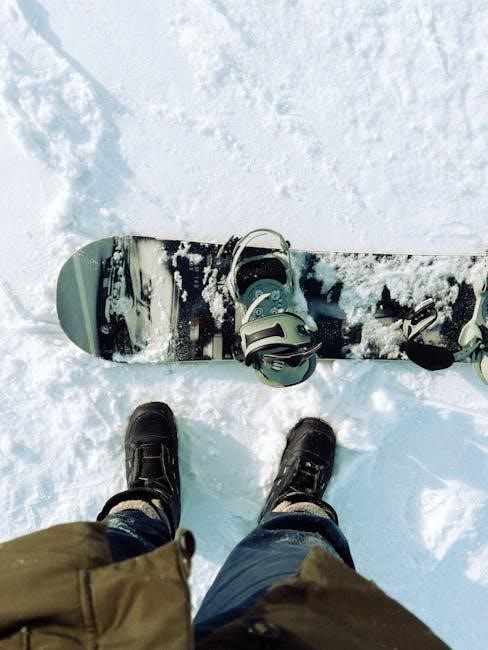
Several indicators suggest you might benefit from a Burton wide snowboard boot. Persistent pressure points on the sides of your feet, numbness, or discomfort after riding are key signs. If your feet feel cramped within standard-width boots, or if you consistently size up to accommodate width, a wide boot is worth considering.
Visually, if your foot noticeably overflows the footbed of a standard boot, or if you experience significant toe pressure, a wider last will provide much-needed relief.
Professional boot fitting is invaluable; experts can assess your foot shape and recommend the appropriate width. Don’t hesitate to try on both standard and wide models to directly compare the fit and feel.
Common Sizing Issues & Solutions
Burton boot fit problems like heel lift, toe numbness, or tightness are common. Adjust BOA dials, consider thicker/thinner socks, or explore heat molding for a personalized fit.
Dealing with Heel Lift

Heel lift within Burton snowboard boots is a frequent concern, impacting control and comfort. Several solutions can address this issue. First, ensure your boots are properly tightened, focusing on the lower BOA dial if applicable, to secure the heel pocket.
Consider experimenting with different sock thicknesses; a thicker sock can sometimes fill excess space and reduce movement. If the lift persists, investigate aftermarket heel cups or footbeds designed to provide additional support and minimize slippage.
Heat molding the liners can also create a more customized fit, conforming to your heel’s shape. Finally, verify your binding adjustments; forward lean and strap tightness influence heel hold. If problems continue, a smaller boot size might be necessary.
Addressing Toe Numbness
Toe numbness in Burton snowboard boots often stems from restricted circulation, frequently linked to overly tight boots or improper sizing. Begin by loosening the BOA dials, particularly the upper zones, to alleviate pressure on the top of your foot. Ensure your socks aren’t excessively thick, contributing to constriction.
Consider heat molding the liners; a custom fit can distribute pressure more evenly. Some riders experience numbness due to the single BOA system tightening the instep faster than the shin area, so adjusting binding positioning can help.
If issues persist, explore thinner liners or consult a boot fitter to assess your foot shape and boot compatibility. A larger boot size might be required to provide adequate toe room.
What to Do if Your Boots Feel Too Tight
If your Burton snowboard boots feel excessively tight, immediate adjustments are crucial to prevent discomfort and circulation issues. First, fully loosen all BOA dials or laces, allowing for maximum foot space. Experiment with thinner socks; bulky socks significantly reduce available room within the boot.
Heat molding the liners can provide a more customized fit, stretching them to better conform to your foot’s shape. If tightness persists, consider if you accurately measured your foot length using the Mondopoint system.
A larger boot size might be necessary, but consult a boot fitter before making a change. Remember, a snug fit is good, but painful constriction is not.
Sizing for Different Riding Styles
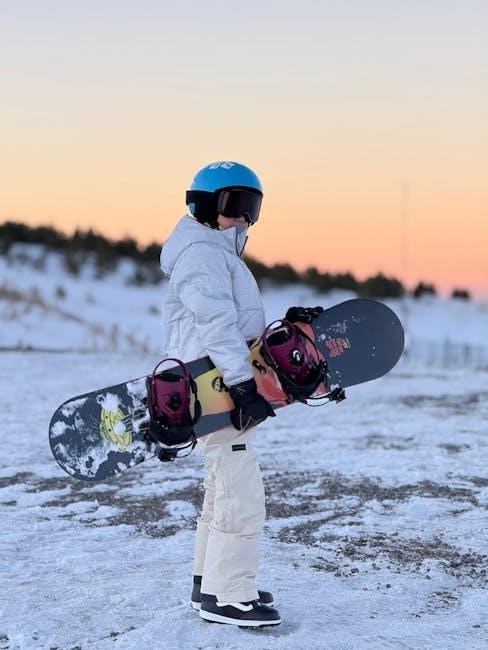
Burton boot flex impacts sizing; stiffer boots for freeride, medium flex for all-mountain, and softer flex for freestyle. Consider your riding preference for optimal performance.
Sizing for Freestyle Riders
Freestyle riders often prioritize boot flexibility and comfort for park performance, requiring a precise fit that allows for maximum board feel and maneuverability. Generally, a slightly softer flexing boot is preferred, enabling easier presses, butters, and overall playful riding.
When selecting Burton boots for freestyle, consider a fit that isn’t overly snug, allowing for some foot movement within the boot. This flexibility enhances control during rotations and tricks. However, avoid excessive looseness, as it can compromise responsiveness.
Pay attention to the liner’s ability to conform to your foot shape, as heat molding can further customize the fit. A well-fitted freestyle boot should feel comfortable and supportive, enabling you to push your limits in the park without discomfort or restriction.
Sizing for All-Mountain Riders
All-mountain riders demand versatility from their boots, needing a balance of responsiveness for carving and comfort for varied terrain. A medium flex is typically ideal, providing support for aggressive riding while remaining forgiving enough for all-day comfort.
When sizing Burton boots for all-mountain use, prioritize a snug, secure fit that minimizes heel lift and maximizes energy transfer. Precise sizing is crucial for maintaining control on hardpack and navigating challenging conditions.
Consider boots with features like heat-moldable liners to customize the fit to your foot’s unique shape. A well-fitted all-mountain boot should offer a blend of performance and comfort, allowing you to confidently tackle any terrain the mountain throws your way.
Sizing for Freeride Riders
Freeride snowboarding demands boots that offer maximum support, control, and responsiveness for tackling steep slopes, deep powder, and variable snow conditions. A stiffer flex is generally preferred, providing enhanced stability and power transmission.
When selecting Burton boots for freeriding, prioritize a precise fit that minimizes movement within the boot, maximizing control during aggressive turns and landings. A snug heel hold is particularly important to prevent heel lift in deep snow.
Consider boots with features like a robust outer shell and supportive liners to withstand the demands of off-piste riding. A well-fitted freeride boot should inspire confidence and allow you to push your limits in challenging terrain.
Burton Boot Sizing vs. Shoe Size
Burton utilizes Mondopoint, differing from standard shoe sizes. Conversion charts exist, but discrepancies are common; accurate foot measurement is crucial for optimal boot fit and performance.
Converting Shoe Size to Mondopoint
Converting your regular shoe size to the Burton Mondopoint system isn’t always straightforward, as sizing varies between brands and even different models within Burton’s lineup. Generally, a US men’s size 9 would roughly translate to a 27.5 cm Mondopoint, while a US women’s size 7 corresponds to approximately 23.5 cm. However, relying solely on these conversions can lead to inaccuracies.
It’s essential to remember that shoe sizes aren’t standardized, and individuals often wear shoes that don’t perfectly match their foot length. Many people size up in everyday shoes for comfort, which isn’t ideal for snowboard boots. Burton boots are designed to fit snugly, so a precise Mondopoint measurement is paramount. Online charts provide a starting point, but a professional boot fitting is highly recommended for the most accurate result.
The Potential for Discrepancies
Despite Burton’s efforts to standardize sizing with the Mondopoint system, discrepancies can still occur between your shoe size and ideal boot fit. Foot shape—width, volume, and arch height—plays a significant role, factors not accounted for in simple conversions. Some individuals have wider feet requiring a wide-width boot, while others need extra volume to avoid pressure points.
Furthermore, variations exist between Burton boot models; the Photon, for example, might fit differently than the Ruler. Even within the same model, manufacturing tolerances can cause slight size variations. Relying solely on online charts or conversions is risky. A professional boot fitting, considering your foot’s unique characteristics, is crucial for minimizing discrepancies and ensuring optimal comfort and performance on the slopes.
Tips for Online Burton Boot Purchases
Utilize Burton’s online size guides carefully, and thoroughly review return policies before purchasing. Confirming easy returns is vital for achieving the perfect fit!
Utilizing Online Size Guides
Burton’s website provides detailed size guides, a crucial first step when purchasing boots online. These guides translate your shoe size into the corresponding Mondopoint measurement, offering a strong starting point. However, remember that shoe sizes can vary, so relying solely on this conversion isn’t always sufficient.
Burton’s guides often include printable foot measuring tools, allowing for a more accurate assessment of your foot length. Carefully follow the instructions, measuring both feet as slight differences are common. Pay attention to any specific notes regarding the model you’re considering, as some boots may run slightly smaller or larger.
Don’t hesitate to cross-reference Burton’s size chart with reviews from other customers. Real-world feedback can provide valuable insights into the fit of specific boot models. Consider whether you typically wear thicker snowboarding socks and factor that into your measurement.
Understanding Return Policies
Before finalizing your online Burton boot purchase, meticulously review the retailer’s return policy. A generous return window is essential, as accurately assessing fit requires trying the boots on and ideally, simulating snowboarding movements. Look for policies allowing returns or exchanges for unworn boots within a reasonable timeframe – typically 30 to 60 days.
Clarify whether return shipping costs are covered by the retailer, as these can add up. Understand any specific conditions for returns, such as requiring original packaging or proof of purchase. Some retailers may offer free exchanges, simplifying the process of finding the correct size.
Keep all documentation related to your purchase, including order confirmations and return authorization numbers. A clear understanding of the return policy provides peace of mind and protects your investment.
Leave a Reply
You must be logged in to post a comment.