
Manual Transmission Service: A Comprehensive Guide
Maintaining a manual transmission is crucial for vehicle longevity and performance; this guide details essential services, intervals, and expert advice for optimal operation.
Understanding Manual Transmission Fluid
Manual transmission fluid (MTF) is a vital component, lubricating gears and synchronizers to ensure smooth shifting and prevent premature wear. Unlike engine oil, MTF doesn’t typically have an oil filter, making regular fluid changes even more critical. Different transmissions require specific fluid types – using the wrong fluid can cause significant damage.
MTF’s primary functions include reducing friction, dissipating heat, and protecting against corrosion. Over time, fluid breaks down, becoming contaminated with metal particles and losing its lubricating properties. This degradation leads to difficulty shifting, increased wear, and potential transmission failure. Understanding your vehicle’s specific MTF requirements, as outlined in the owner’s manual, is paramount for proper maintenance and longevity.
Recommended Service Intervals
Generally, manufacturers suggest servicing your manual transmission every 30,000 to 60,000 miles, though this varies significantly based on driving conditions. Frequent stop-and-go traffic, towing, or aggressive driving necessitate more frequent service. A good practice is to have the transmission fluid checked with each oil change – typically every 5,000 to 7,500 miles – to monitor its condition.
However, relying solely on mileage isn’t sufficient. Consider time as a factor; even with low mileage, fluid degrades over time. A fluid change every 3-5 years is a reasonable guideline. Always consult your owner’s manual for the manufacturer’s specific recommendations, as they supersede general guidelines. Proactive maintenance prevents costly repairs down the road, ensuring smooth operation.
Factors Influencing Service Frequency
Several key factors dictate how often your manual transmission requires service. Driving habits play a significant role; aggressive shifting, frequent towing, and off-road adventures accelerate wear and tear. Operating in harsh conditions – extreme temperatures, dusty environments, or hilly terrain – also shortens service intervals.
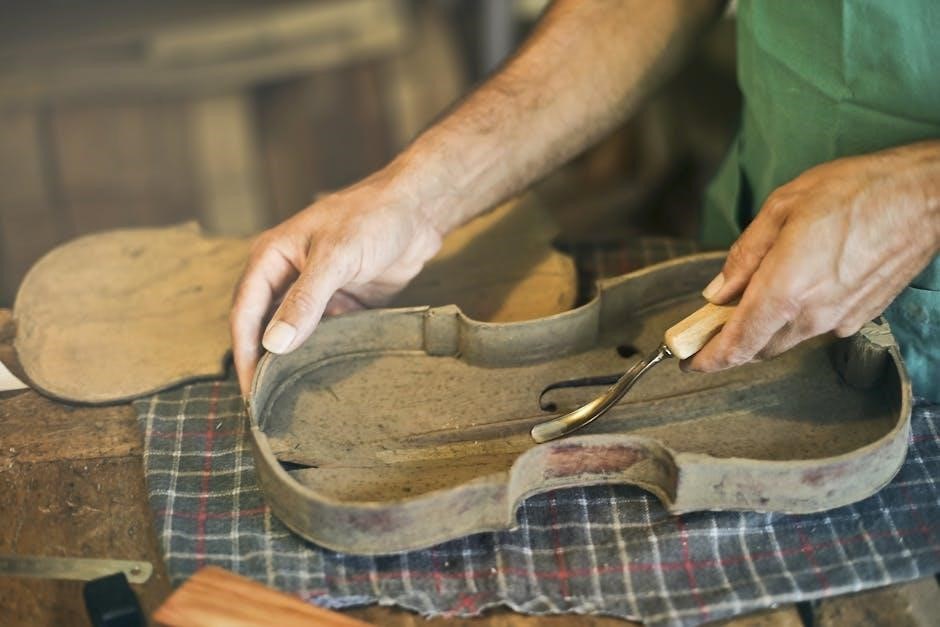
The type of fluid used matters too; Some fluids offer superior protection and longer lifespans. Vehicle age is another consideration; older transmissions may require more frequent attention due to worn seals and components. Ignoring these factors can lead to premature failure. Regularly assessing your driving conditions and vehicle usage will help determine the optimal service schedule for your specific needs.
Checking Your Owner’s Manual
Your vehicle’s owner’s manual is the primary source for manufacturer-recommended service intervals specific to your make and model’s manual transmission. It outlines the precise mileage or timeframes for fluid checks, changes, and other essential maintenance procedures. Adhering to these guidelines ensures your transmission receives the care it needs, maintaining optimal performance and preventing potential issues.
The manual will also detail the correct type of transmission fluid to use, which is critical for proper lubrication and component protection. Ignoring the manufacturer’s recommendations can void warranties or lead to costly repairs. Always prioritize the information provided in your owner’s manual as the foundation of your transmission service plan.
Recognizing Warning Signs of Transmission Issues
Early detection of transmission problems can prevent extensive damage and costly repairs. Be vigilant for any changes in your manual transmission’s behavior. Difficulty shifting gears, whether into specific gears or generally, is a key indicator of potential issues, often linked to low fluid or internal wear.
Unusual noises during operation – grinding, whining, or clunking – should never be ignored. These sounds often signal worn synchronizers or damaged gears. Additionally, inspect for fluid leaks beneath the vehicle; transmission fluid is typically reddish-brown and has a distinct odor. Promptly addressing these warning signs through professional inspection can save you significant expense and ensure continued safe operation.
Difficulty Shifting Gears

Experiencing trouble getting your manual transmission into gear, or noticing it feels “notchy” or resistant, is a common symptom of underlying issues. This can manifest as difficulty engaging any gear, or specifically struggling with certain gears like first or reverse. Often, this points to low or degraded transmission fluid, reducing lubrication and increasing friction;
Worn synchronizers, responsible for matching gear speeds, can also cause shifting problems. In severe cases, internal damage to the gears themselves may be the culprit. Ignoring this symptom can lead to further damage and potentially complete transmission failure. A professional inspection is crucial to diagnose the root cause and implement appropriate repairs, preventing more extensive and expensive fixes down the road.

Unusual Noises During Operation
Hearing whining, grinding, or clunking sounds emanating from your manual transmission while driving is a significant warning sign. Whining often indicates low transmission fluid or a failing bearing. Grinding noises, particularly when shifting, frequently suggest worn synchronizers struggling to match gear speeds effectively. Clunking sounds can point to loose internal components or damaged gears.
These noises shouldn’t be ignored, as they signify mechanical stress and potential damage. Continuing to drive with these sounds can exacerbate the problem, leading to more costly repairs or complete transmission failure. A prompt inspection by a qualified technician is essential to pinpoint the source of the noise and address the underlying issue before it escalates, ensuring continued safe and reliable operation.
Fluid Leaks
Discovering transmission fluid beneath your vehicle is a clear indication of a potential problem requiring immediate attention. Manual transmissions utilize gear oil, typically a different color and viscosity than engine oil, making identification relatively straightforward. Leaks can originate from various sources, including worn seals, damaged gaskets, or a compromised transmission housing.

Ignoring fluid leaks can lead to insufficient lubrication, causing increased friction, overheating, and ultimately, severe internal damage. Low fluid levels also hinder proper shifting and can contribute to other transmission issues. Regularly inspecting for leaks, especially after parking, is crucial. Addressing leaks promptly prevents further complications and costly repairs, preserving the longevity and performance of your transmission.
Essential Manual Transmission Service Tasks

Comprehensive manual transmission service extends beyond a simple fluid change, encompassing several vital checks and maintenance procedures. These tasks ensure optimal performance, prevent premature wear, and identify potential issues before they escalate. Key components requiring attention include the transmission fluid, seals, gaskets, clutch system, synchronizers, and internal gears.
Regular inspection of seals and gaskets prevents leaks, while clutch cable or hydraulic system adjustments maintain proper engagement. Synchronizer inspection addresses shifting difficulties, and gear examination identifies wear or damage. Bearing checks ensure smooth operation. Performing these essential tasks, either through DIY checks or professional service, safeguards your transmission and contributes to a reliable driving experience.
Transmission Fluid Change Procedure
Performing a manual transmission fluid change requires careful attention to detail. Begin by warming the transmission, then locate the drain and fill plugs, typically on the side of the transmission case. Position a drain pan beneath the drain plug and carefully remove it, allowing the old fluid to drain completely.
Once drained, reinstall the drain plug with a new crush washer. Locate the fill plug and, using a pump or funnel, add the correct type and amount of transmission fluid as specified in your owner’s manual. Reinstall the fill plug, ensuring it’s tightened to the correct torque. Finally, verify the fluid level and test drive the vehicle, checking for leaks and smooth shifting. Proper disposal of the old fluid is essential.
Inspecting Seals and Gaskets
During a manual transmission service, thoroughly inspect all seals and gaskets for signs of wear, cracking, or leakage. Pay close attention to the input and output shaft seals, as well as the seals around the shift forks and the transmission case itself. Look for fluid residue indicating a potential leak.
Brittle or damaged seals should be replaced immediately to prevent internal damage and maintain proper fluid levels. Carefully remove the old seals, clean the mating surfaces, and install new ones, ensuring they are properly seated. Using a sealant compatible with transmission fluid is often recommended. Addressing seal and gasket issues proactively prevents costly repairs down the road and ensures optimal transmission performance.
Checking and Adjusting Clutch Cable/Hydraulics
A properly functioning clutch is vital for smooth gear changes in a manual transmission. Inspect the clutch cable (if equipped) for fraying, kinks, or excessive wear. For hydraulic systems, check the master and slave cylinders for leaks and ensure the fluid level is correct. Examine the clutch fork for smooth movement and proper engagement.
Adjust the clutch cable to ensure adequate pedal travel and complete clutch disengagement. With hydraulic systems, bleed the lines to remove any air bubbles that may cause a spongy pedal feel. Incorrect clutch adjustment can lead to difficulty shifting, clutch slippage, or even transmission damage. Regular checks and adjustments maintain optimal clutch performance and prolong component life.
Synchronizer Inspection and Repair
Synchronizers are critical components enabling smooth gear engagement within a manual transmission. During service, inspect synchronizer rings for wear, scoring, or damage. A failing synchronizer often manifests as grinding during gear changes, particularly when shifting quickly. Disassembly allows for a thorough assessment of the synchronizer mechanism, including cones and blocking rings.
Repair typically involves replacing worn synchronizer rings or, in severe cases, the entire synchronizer assembly. Proper lubrication during reassembly is essential for optimal function. Ignoring synchronizer issues can lead to further transmission damage and difficulty selecting gears. Skilled technicians utilize specialized tools to ensure accurate installation and testing of these delicate components, restoring smooth shifting performance.
Gear Inspection and Replacement
Gear inspection is a vital part of manual transmission service, focusing on identifying wear patterns like pitting, chipping, or broken teeth. Technicians meticulously examine each gear for damage, assessing its impact on overall transmission function. Unusual noises during operation often indicate gear-related problems, necessitating a detailed inspection.
Replacement of damaged gears is crucial to prevent further internal damage. This process requires precise alignment and proper meshing with other gears within the transmission. Using incorrect gears or improper installation can lead to noise, vibration, and ultimately, transmission failure. Skilled technicians ensure correct gear selection and employ specialized tools for accurate installation, restoring quiet and efficient operation.
Bearing Inspection and Replacement
Bearing inspection during manual transmission service is critical, as worn bearings contribute significantly to noise and potential failure. Technicians check for roughness, play, or excessive heat, indicators of bearing degradation. Common failure points include input shaft, output shaft, and countershaft bearings.
Replacement of failing bearings requires specialized tools for safe removal and installation. Proper pre-load adjustment is essential for optimal performance and longevity. Ignoring worn bearings can lead to cascading failures, damaging gears and other internal components. A skilled technician will accurately diagnose bearing issues and perform replacements with precision, ensuring smooth, quiet operation and preventing costly future repairs. Quality bearings are always recommended for lasting reliability.
Selecting a Qualified Service Provider
Choosing the right service provider for your manual transmission is paramount. Look for certifications like ASE (Automotive Service Excellence), demonstrating technician competence. Experience specifically with manual transmissions is vital, as these systems require specialized knowledge.

Reputation and online reviews offer valuable insights into a shop’s quality of work and customer satisfaction. Don’t hesitate to ask for references. Crucially, inquire about warranty coverage on both parts and labor – a reputable shop stands behind its work. A transparent estimate detailing all costs is also essential. Prioritize providers who clearly explain the necessary repairs and answer your questions thoroughly, ensuring a trustworthy and reliable service experience.

Certifications and Experience
Prioritize technicians holding Automotive Service Excellence (ASE) certifications, a hallmark of professional competence in transmission service. These credentials validate their knowledge and skills. Beyond certifications, seek demonstrable experience specifically with manual transmissions; automatic transmissions differ significantly.
A seasoned technician will quickly diagnose issues and implement effective repairs. Ask about their experience with your vehicle’s make and model. Inquire about specialized training in manual transmission repair, including synchronizer, gear, and bearing work. A provider with a proven track record and a commitment to ongoing education is more likely to deliver a high-quality, lasting service, protecting your investment and ensuring smooth operation.
Reputation and Reviews
Investigate a service provider’s reputation thoroughly before entrusting them with your manual transmission. Online reviews on platforms like Google, Yelp, and the Better Business Bureau offer valuable insights from previous customers. Pay attention to recurring themes – consistent praise or complaints regarding transmission service quality.
Look beyond star ratings; read detailed reviews to understand specific experiences. Were customers satisfied with the diagnosis, repair process, and communication? A reputable shop will demonstrate transparency and a commitment to customer satisfaction. Don’t hesitate to ask for references or check with local automotive forums for recommendations. A strong reputation signals reliability and expertise in manual transmission repair.
Warranty Coverage
Confirm the warranty coverage offered by the service provider for manual transmission work. A reputable shop will stand behind their repairs with a reasonable warranty period, typically covering both parts and labor. Understand the specifics of the warranty – what is covered, what is excluded, and the process for making a claim.
Inquire about whether the warranty affects your vehicle’s original manufacturer warranty. Some aftermarket repairs could potentially void portions of the factory warranty. A comprehensive warranty provides peace of mind, protecting you from unexpected costs should issues arise after the service. Don’t hesitate to ask for a written warranty document outlining the terms and conditions before authorizing any repairs to your transmission.
DIY Checks vs. Professional Service
Simple DIY checks, like inspecting for fluid leaks and noting any unusual noises during gear changes, can provide early warnings of potential transmission problems. Regularly checking the transmission fluid level (if applicable for your model) is also a beneficial habit. However, these checks are limited in scope.
Professional service offers a comprehensive assessment, utilizing specialized tools and expertise to diagnose issues accurately. Technicians can inspect internal components, like synchronizers and gears, that are inaccessible during a DIY inspection. While DIY checks can save money, complex transmission issues require the skills of a qualified mechanic to prevent further damage and ensure a proper repair. Prioritize professional service for significant concerns.
Cost of Manual Transmission Service
The cost of manual transmission service varies significantly based on the extent of the work required and your location. A simple transmission fluid change typically ranges from $150 to $300, including parts and labor. More complex services, such as clutch replacement, can cost between $500 and $1,200, depending on the vehicle model.
Major repairs, like synchronizer or gear replacement, can easily exceed $1,500, potentially reaching $3,000 or more. Labor rates also contribute to the overall cost, generally ranging from $80 to $150 per hour. Obtaining quotes from multiple service providers is crucial to compare pricing and ensure a fair estimate. Remember that preventative maintenance can often save you money in the long run by avoiding costly repairs.
Leave a Reply
You must be logged in to post a comment.