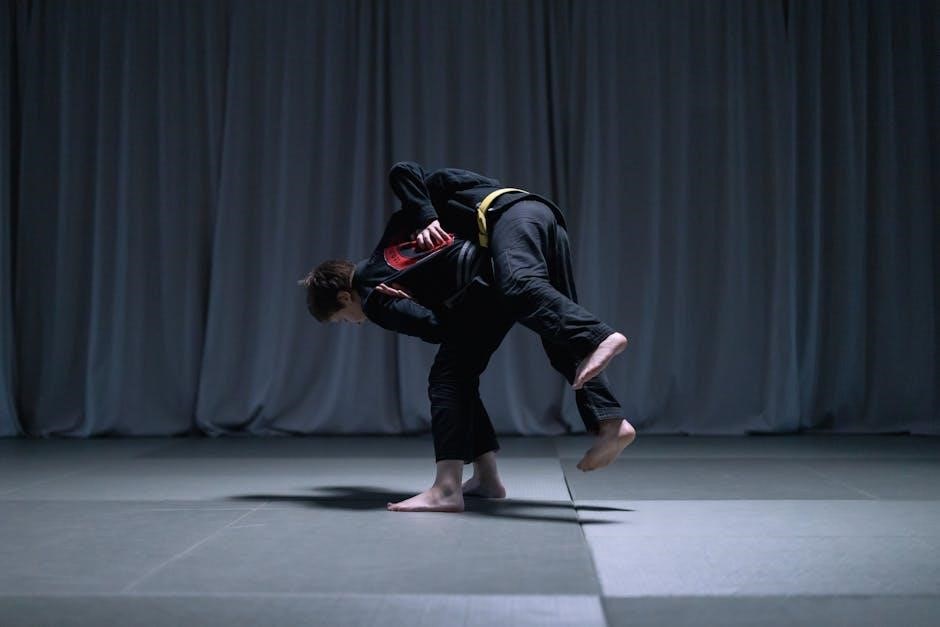
Jiu Jitsu Gi Size Guide: A Comprehensive Overview (Updated 12/05/2025)
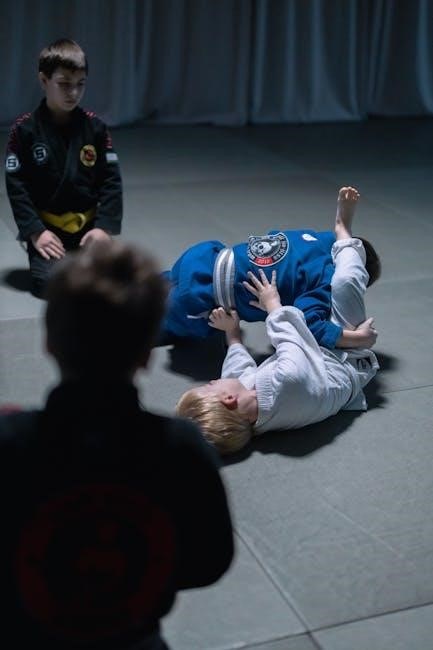
Navigating jiu jitsu gi sizing requires careful consideration; brands like Tatami and Scramble offer longer cuts (A2L), while others vary significantly.
Understanding Gi Sizing Fundamentals
Gi sizing isn’t a one-size-fits-all scenario; it’s a nuanced process influenced by several factors, demanding a personalized approach. Initial sizing often relies on height and weight, serving as a starting point, but these are merely indicators. Brand variation plays a crucial role, as sizing charts differ considerably – an A2 in Tatami might equate to an A1L in Kingz or Venum.
Understanding proportional sizing, like the A2L offered by Scramble, is vital for taller individuals. Material composition also impacts fit; cotton gis are prone to shrinkage, necessitating cold-water washing. Ripstop pants generally shrink less than twill. Ultimately, a perfect fit balances comfort and performance, allowing unrestricted movement during training and competition. Trial classes and return policies are invaluable tools in this pursuit.
Why Gi Size Matters: Performance & Comfort
A properly sized gi is paramount for both performance and comfort on the mats, directly impacting your ability to train effectively. An ill-fitting gi can restrict movement, hindering techniques and creating vulnerabilities. A gi that’s too small limits your range of motion, while an overly large gi presents a grabbing hazard for your opponent.
Comfort is equally crucial; a well-fitted gi allows for unrestricted breathing and prevents chafing. Considering your body type – stocky versus lean – is essential. A gi that fits well minimizes distractions, allowing you to focus on technique and strategy. Ultimately, the right size enhances your confidence and allows you to fully engage in the art of jiu jitsu, maximizing your training experience.
The Impact of Brand Variation
Gi sizing isn’t standardized; significant variations exist between brands, making a universal size chart unreliable. What fits as an A2 in Tatami might necessitate an A1L in Kingz or Venum, highlighting the need for brand-specific research. Some brands, like Tatami, are known for generous cuts, while Kingz often runs smaller. Scramble offers proportionally longer options, denoted by “L” sizes (A2L), catering to taller practitioners.
Consulting supplier guidance is crucial, as they possess detailed knowledge of each brand’s sizing tendencies. Online reviews provide valuable insights from fellow practitioners. Ordering multiple sizes and utilizing return policies is a practical approach to ensure a perfect fit, minimizing the frustration of inaccurate sizing.

Standard Gi Size Chart
Gi sizes typically range from A0 to A6, though individual fits vary greatly depending on the brand and your body type.
A0 – The Beginner/Youth Size
The A0 gi size is generally designed for beginners or individuals with a smaller stature, often fitting youth or those new to Brazilian Jiu-Jitsu. This size typically accommodates individuals around 5’0” to 5’3” in height and weighing under 130 pounds. However, it’s crucial to remember that these are merely guidelines, and variations exist between manufacturers.
An A0 gi is often a good starting point for children or smaller adults who are unsure of their size. It’s important to note that A0 gis may run smaller than other sizes, so checking specific brand size charts is essential. Consider that shrinkage can occur after washing, particularly with cotton gis, potentially making the A0 size too small.
If you fall between sizes, it’s generally recommended to size up to ensure a comfortable fit and allow for movement during training. Prioritize a gi that allows for a full range of motion without feeling overly restrictive.
A1 – Smaller Adults & Competitors
The A1 gi size is frequently chosen by smaller-framed adults and competitors aiming for a snug, competition-legal fit. Typically, this size suits individuals ranging from approximately 5’3” to 5’6” in height and weighing between 130 to 160 pounds. However, brand-specific sizing variations are significant, necessitating careful chart review.
Competitors often prefer A1 gis as they tend to be more streamlined, minimizing grips for opponents. For those with a leaner build, an A1 can provide a comfortable and functional fit. Be mindful of potential shrinkage, especially with 100% cotton gis; washing in cold water is advised to mitigate this.
If you’re between sizes, or have broader shoulders, consider an A2 for greater comfort. Always prioritize mobility and a secure fit that doesn’t hinder your movements during rolling or sparring;
A2 – The Most Common Size
The A2 gi size represents the most frequently selected option, accommodating a broad range of body types and serving as a reliable starting point for many practitioners. Generally, A2 fits individuals between 5’7” and 5’11” in height, weighing approximately 160 to 190 pounds. However, remember that brand cuts differ substantially – Tatami tends to be generous, while Kingz often runs smaller.
An A2 provides a comfortable balance between a tailored fit and sufficient room for movement. It’s a versatile choice for both beginners and experienced grapplers. Consider the material; ripstop pants shrink less than twill, influencing your initial size selection.
Checking washing guidelines is crucial to avoid unwanted shrinkage. If unsure, ordering two sizes and utilizing return policies is a prudent approach to ensure the perfect fit.
A3 – Larger Frames & Tall Individuals
The A3 gi size is designed for individuals with larger builds or those standing taller than the average range, typically between 5’11” and 6’2” with a weight of 190 to 220 pounds. This size offers increased length in both the jacket and pants, crucial for maintaining comfortable coverage during dynamic movements on the mats.
However, remember brand variations are significant; a Fuji A3 might fit differently than a Kingz A3. Stockier builds may still prefer an A2L for a more proportional fit, while leaner, taller individuals will benefit from the A3’s extra length.
Always consider potential shrinkage, especially with cotton gis, and adhere to the manufacturer’s washing instructions. Trial classes offer invaluable in-person fitting opportunities to confirm the ideal size.
A4 & Beyond – For Exceptional Sizes
Gi sizes A4 and above cater to individuals with exceptionally large frames or significant height, often exceeding 6’2” and weighing over 220 pounds. Finding a consistent fit becomes more challenging in these larger sizes, emphasizing the importance of detailed measurements and brand-specific sizing charts.
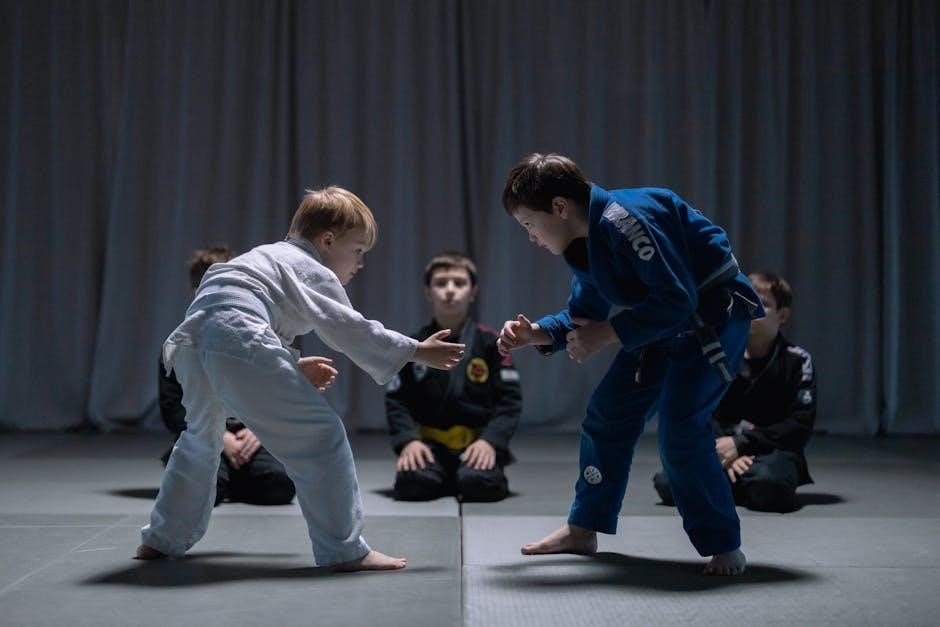
Some brands may offer limited stock in A4 and larger sizes, potentially requiring custom orders or exploring specialized retailers. Prioritize chest, shoulder, and inseam measurements to ensure adequate coverage and freedom of movement.
Considering body type is crucial; a stocky build might necessitate a wider cut, while a leaner individual may benefit from a longer, more tailored fit. Return policies are invaluable when navigating these less common sizes.
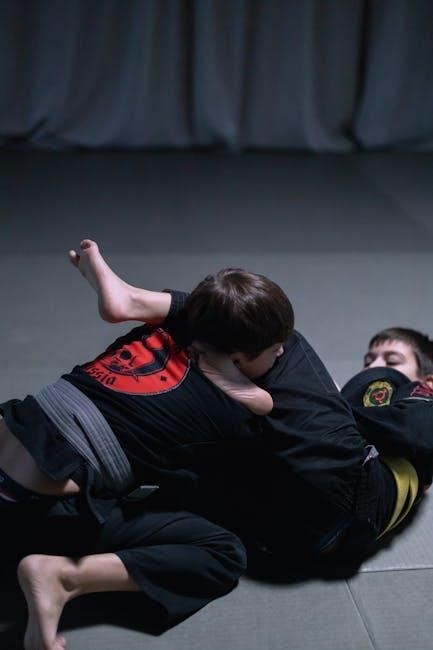
Key Measurements for Accurate Sizing
Precise height, weight, chest, shoulder, sleeve length, and inseam measurements are vital for selecting the correct gi size, ensuring optimal fit and performance;
Height: The Primary Factor
Determining your height is the foundational step in gi sizing, as it directly correlates with overall gi length. Most brands base their size charts primarily on height ranges, offering a starting point for selection. Individuals falling between sizes should consider their weight and build.
For example, someone at the upper end of an A2 height range but with a heavier build might benefit from sizing up to an A3. Conversely, a leaner individual might remain in the A2. Remember that brands differ; a Tatami A2 might fit differently than a Kingz A2.
Accurately measure your height, ideally against a wall, and consult the specific brand’s size chart. Don’t rely solely on height, but prioritize it as the initial guide. Consider proportional lengths, like A2L options from Scramble, if you are taller within a size range.
Weight: A Supporting Indicator
While height is paramount, weight serves as a crucial secondary factor in refining your gi size selection. It helps differentiate between individuals of similar height but varying builds. A heavier individual will likely require a larger size to ensure adequate coverage and freedom of movement, preventing a restrictive fit.
However, weight alone isn’t definitive; body composition matters significantly. A muscular build will necessitate a different size than someone with a leaner physique at the same weight. Consider your overall frame – stocky versus lean – alongside your weight.
Always cross-reference weight with height on the brand’s specific size chart. If you’re between sizes based on height, weight can tip the scales. Remember brand variations; a Fuji gi might fit truer to size than a Kingz, requiring adjustments based on weight.
Chest & Shoulder Measurements
Accurate chest and shoulder measurements are vital for a comfortable and functional gi fit, especially for those with broader builds. A gi that’s too tight across the chest or shoulders severely restricts movement, hindering grappling techniques and causing discomfort during training. Measure around the fullest part of your chest, keeping the tape measure level.
Shoulder width is equally important, impacting sleeve length and overall gi mobility. Measure across your back from the outside edge of one shoulder to the other. These measurements help determine if a standard size will accommodate your physique or if a “L” (long) version is necessary.
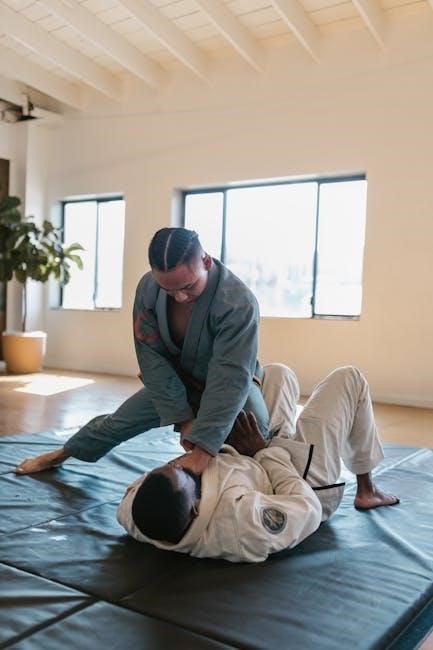
Compare your measurements to the brand’s size chart, paying close attention to chest and shoulder specifications. Don’t assume a size based on height and weight alone; these measurements provide a more precise fit assessment.
Sleeve Length Considerations
Proper sleeve length is crucial for both comfort and adherence to competition regulations. Sleeves that are too short restrict range of motion and can cause discomfort during gripping and movement. Conversely, excessively long sleeves can be a hindrance, getting caught during rolls and potentially posing a safety risk.
When measuring, extend your arm naturally and measure from the shoulder seam down to the wrist bone. Consider your body type; individuals with longer arms may require a size up or a gi with a longer sleeve length (often indicated by an “L” designation).
Competition rules often specify sleeve length requirements, so ensure your gi complies with the regulations of your chosen federation. Prioritize a sleeve length that allows for full range of motion without compromising compliance.
Pant Inseam: Avoiding Bunching or Shortness
Achieving the correct pant inseam is vital for unrestricted movement and a secure fit during grappling. Pants that are too short can lead to discomfort and limited mobility, while excessively long pants create bunching, hindering performance and potentially becoming a tripping hazard.
Measure your inseam from the crotch to the desired length at the ankle, considering whether you prefer a break at the ankle or a more fitted length. Ripstop pants generally shrink less than twill, impacting the final inseam length after washing.
Account for potential shrinkage, especially with cotton gis, and consider ordering a slightly longer inseam if you anticipate significant shrinkage. A well-fitted inseam allows for fluid movement and prevents distractions during training or competition.
Brand-Specific Sizing Differences
Gi sizing isn’t universal; Tatami often fits larger, while Kingz tends to run smaller, necessitating careful consideration and potentially trying multiple brands.
Tatami Gi Sizing: Known for Generous Cuts
Tatami gis are widely recognized within the jiu jitsu community for their notably generous cuts, meaning they generally offer a more relaxed and spacious fit compared to many other brands. This characteristic makes them a popular choice for individuals who prefer a looser, more comfortable feel during training and competition. However, it also means that you might consider sizing down, particularly if you fall between sizes or prefer a more tailored fit.
Many practitioners report that a Tatami A2 often feels equivalent to an A3 in other brands. It’s crucial to consult Tatami’s specific size chart and, if possible, read reviews from other customers to gauge how their gis typically fit. Furthermore, Tatami offers a range of styles, and some may have slightly different cuts than others. Always check washing guidelines, as Tatami gis can shrink, especially with hot water washes, impacting the initial generous fit. Considering these factors will help ensure you select the optimal size for your body type and preferences when choosing a Tatami gi.
Kingz Gi Sizing: Often Runs Smaller
Kingz gis have a reputation for running smaller than many other brands, a factor that prospective buyers should carefully consider when selecting their size. This tendency means that individuals often need to size up, particularly if they are on the border between sizes or have a more athletic build. Compared to brands like Tatami, known for generous cuts, Kingz gis offer a more fitted silhouette.
Many jiu jitsu practitioners recommend opting for an A1L or even an A2 if you typically wear an A1 in other brands. Checking Kingz’s detailed size chart is essential, paying close attention to chest and shoulder measurements. Online reviews frequently mention the snug fit, reinforcing the advice to size up. Be mindful of potential shrinkage after washing, which could further reduce the size. Considering these points will help you avoid the disappointment of receiving a Kingz gi that is too small and ensure a comfortable, functional fit for training and competition.
Scramble Gi Sizing: Proportional Lengths (A2L)
Scramble gis are particularly well-known for their proportional lengths, often offering an “A2L” (A2 Long) option catering to taller practitioners. This makes them a popular choice for those who find standard A2 gis too short in the arms and legs. Unlike some brands where sizing up simply adds width, Scramble’s A2L genuinely extends the overall length, providing a more comfortable and functional fit for longer limbs.
If you’re between 5’10” and 6’2”, the A2L is often an excellent choice. Scramble also offers free returns in the UK, allowing you to easily exchange sizes if needed. Many users recommend opting for ripstop pants with Scramble gis, as they tend to exhibit minimal shrinkage. Reviewing specific model details is crucial, as slight variations can occur. Considering these factors will help ensure a proper fit and maximize your training experience with a Scramble gi.
Venum Gi Sizing: Variations to Consider
Venum gi sizing presents notable variations, demanding careful attention when selecting the appropriate fit. Unlike brands with consistent cuts, Venum’s sizing can differ significantly between models, making it crucial to consult specific size charts for each gi. Some users report Venum gis running smaller than average, potentially requiring a size up compared to other brands like Tatami or Fuji.
It’s often advised to compare your measurements against Venum’s detailed charts, paying close attention to chest, shoulder, and sleeve length. Experienced practitioners suggest that an A2 in Tatami might translate to an A1L or even A2 in Venum, depending on the particular model. Seeking guidance from the supplier is highly recommended, as they can offer tailored advice based on your body type and the specific Venum gi you’re considering.
Fuji Gi Sizing: A Reliable Standard
Fuji gis are generally considered to adhere to a more reliable and consistent sizing standard, making them a popular choice, especially for beginners. Many practitioners find Fuji’s sizing to be true-to-size, meaning you can typically rely on your usual gi size. However, individual body types can still influence the optimal fit, so careful measurement remains essential.
For those with stockier builds, a size up might be preferable, while leaner individuals may find their standard size provides a comfortable fit. Experienced grapplers often note that a Fuji 5 can accommodate larger frames, while sizes 6 and 7 cater to more substantial builds. Comparing your measurements to Fuji’s official size chart is always recommended, ensuring a proper fit across the chest, shoulders, and inseam.
Gi Material & Shrinkage
Gi shrinkage is a crucial factor; cotton gis shrink with washing, while ripstop pants generally shrink less than traditional twill options.
Cotton Gi Shrinkage: Washing Guidelines
Understanding cotton gi shrinkage is paramount for a proper fit. New, unwashed cotton gis will invariably shrink upon their first few washes. To minimize excessive shrinkage, always adhere to the manufacturer’s washing instructions, typically found on the gi’s label. Generally, cold water washes are highly recommended, as hot water significantly accelerates shrinkage.
Avoid using hot water and tumble drying at high temperatures. Instead, opt for a gentle cycle and air dry your gi whenever possible. If tumble drying is necessary, use a low heat setting. Some brands, like Tatami, specifically advise cold water washing to preserve the gi’s size and integrity. Repeated hot water washes and high-heat drying can result in a gi shrinking multiple sizes, rendering it unusable. Pre-shrunk gis are available, offering reduced shrinkage, but even these may experience slight adjustments after washing.
Ripstop Pants vs. Twill Pants: Shrinkage Differences
The type of pant material significantly impacts shrinkage rates. Ripstop pants, commonly favored for their durability, generally exhibit minimal shrinkage compared to traditional twill pants. This is due to the ripstop weave’s reinforced construction, which resists significant dimensional changes during washing. Twill pants, while offering a softer feel, are more prone to shrinking, particularly with hot water washes and high-heat drying.
Choosing ripstop pants can provide greater consistency in sizing. Individuals concerned about gi shrinkage should prioritize gis featuring ripstop pants. Scramble gis often incorporate ripstop, offering a reliable option. Conversely, if a gi features twill pants, anticipate a potential reduction in length, especially after the initial washes. Always factor in this potential shrinkage when selecting your initial size, potentially opting for a slightly larger size to compensate.
Pre-Shrunk Gis: Minimizing Size Changes
Pre-shrunk gis represent a significant advancement in gi sizing consistency. Manufacturers employ specialized washing and finishing processes to minimize shrinkage before the gi reaches the consumer. While not entirely immune to minor adjustments, pre-shrunk gis offer a more predictable fit compared to traditional, un-shrunk options. This is particularly beneficial for those seeking a precise fit without the guesswork associated with substantial shrinkage.

However, even pre-shrunk gis require mindful care. Adhering to the manufacturer’s washing guidelines – typically cold water and low-heat drying – is crucial to preserve the intended size. Tatami gis, for example, specifically recommend cold water washing to prevent unwanted shrinkage. Ignoring these instructions can still result in noticeable size alterations. Always verify if a gi is pre-shrunk before purchasing, and prioritize proper care to maintain its fit.
Tips for Finding Your Perfect Fit
Consider ordering multiple sizes, utilizing return policies, and attending trial classes for in-person fitting; body type and online reviews matter too.
Ordering Multiple Sizes & Utilizing Return Policies
The variability in gi sizing across brands often necessitates a strategic approach to finding the perfect fit. A highly recommended tactic is to order two sizes – typically your estimated size and one size up – to directly compare the fit and feel. This allows for a practical assessment beyond relying solely on size charts, which can be inconsistent.
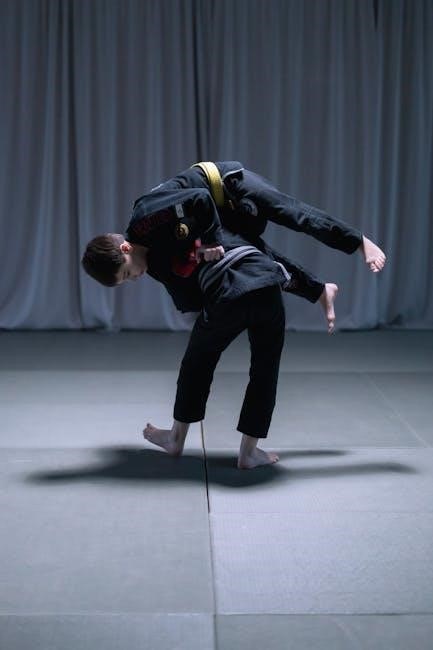
Fortunately, many reputable gi retailers, such as Tatami and Scramble (at least within the UK), offer generous return policies, facilitating easy exchanges if the initial size doesn’t align with your needs. Before making a purchase, meticulously review the retailer’s return policy to understand the timeframe, conditions, and any associated costs. Don’t hesitate to leverage these policies; a slightly inconvenient return is far preferable to a poorly fitting gi that hinders performance and comfort.
Prioritize retailers with hassle-free return processes to minimize frustration and ensure a smooth experience. This proactive approach significantly increases your chances of securing a gi that complements your physique and enhances your training.
Attending Gi Trial Classes for In-Person Fitting
One of the most effective methods for determining your ideal gi size is to attend introductory or trial classes at a jiu jitsu academy. Many schools offer loaner gis to new students, providing a valuable opportunity to experience different cuts and sizes firsthand without immediate financial commitment.
Wearing comfortable athletic wear underneath allows for accurate assessment of the gi’s fit over your typical training attire. Pay close attention to the shoulder seams, sleeve length, and pant inseam, ensuring freedom of movement and avoiding restrictive tightness or excessive looseness. This in-person experience bypasses the uncertainties of online sizing and allows you to feel the fabric and construction quality.
Don’t hesitate to ask instructors or experienced students for their opinions and guidance; they can offer valuable insights based on their own experiences and body types. This direct fitting experience is invaluable, especially if you have a unique physique or are unsure about your size.
Considering Your Body Type (Stocky vs. Lean)
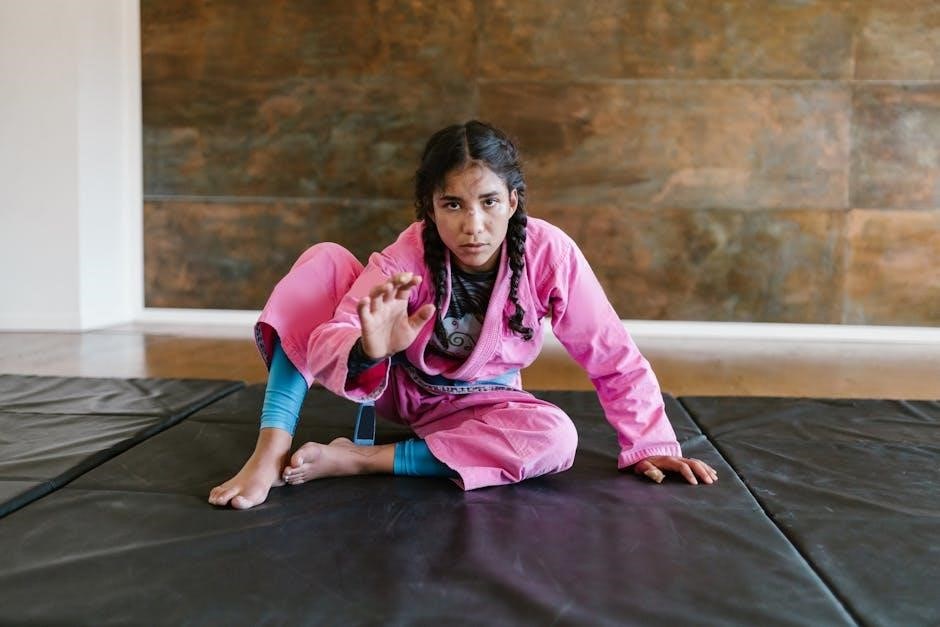
Your overall body composition significantly impacts gi sizing; a lean build requires a different approach than a more stocky or muscular physique. Individuals with broader shoulders and chests may need to size up to accommodate their upper body, even if their height and weight fall within a smaller size range.
Conversely, leaner individuals might find that standard sizes offer a looser fit, potentially requiring adjustments or opting for slimmer-cut gis. Understanding your proportions is crucial; a stocky build often benefits from longer sleeves and pants to prevent constriction during movement.
Consider whether you have a larger waist or wider hips, as these factors can influence pant sizing. Don’t solely rely on height and weight charts; prioritize a comfortable and unrestricted range of motion tailored to your unique body shape. Prioritize fit over simply following a size label.
Reading Online Reviews for Brand-Specific Feedback
Leveraging online reviews is invaluable when navigating the complexities of gi sizing, particularly given the significant brand-to-brand variations. Forums, retailer websites, and social media groups dedicated to Brazilian Jiu-Jitsu often contain detailed feedback from fellow practitioners regarding specific gi models and their sizing tendencies.
Pay close attention to comments mentioning whether a brand “runs small,” “runs large,” or fits true to size. Look for reviews from individuals with similar body types to your own for more relevant insights.
Specifically, search for mentions of shrinkage after washing, as this can drastically alter the fit. Reviews can also highlight issues with sleeve length, pant inseam, or overall cut. Don’t dismiss negative feedback; it can save you the hassle of returns and ensure a more satisfying purchase.
Leave a Reply
You must be logged in to post a comment.