
The 6.7 Cummins manual regeneration switch is a crucial component for maintaining optimal engine performance and adhering to emissions standards, requiring occasional driver intervention.
Understanding Diesel Particulate Filters (DPFs)
Diesel Particulate Filters (DPFs) are essential components in modern diesel engines, including the 6.7 Cummins, designed to trap soot produced during combustion. These filters significantly reduce harmful particulate matter emissions, contributing to cleaner air quality.
Over time, soot accumulates within the DPF, restricting exhaust flow and potentially impacting engine performance. To address this, a process called regeneration is initiated, burning off the collected soot. Understanding how DPFs function is key to utilizing the manual regeneration switch effectively and maintaining a healthy exhaust system.
The Role of Regeneration in DPF Maintenance
Regeneration is the process of clearing accumulated soot from the Diesel Particulate Filter (DPF). It occurs either passively during normal highway driving, or actively through increased exhaust temperatures.
The 6.7 Cummins utilizes both methods, but sometimes requires a manual initiation. Consistent regeneration prevents DPF blockage, maintaining optimal engine efficiency and preventing costly repairs. Ignoring regeneration warnings can lead to reduced power, poor fuel economy, and ultimately, DPF failure, necessitating replacement.
Why a Manual Regeneration Switch is Necessary
While the 6.7 Cummins engine attempts automatic regeneration, certain driving conditions – frequent short trips, idling, or low highway speeds – hinder the process.
A manual regeneration switch empowers drivers to initiate the cleaning cycle when automatic regeneration isn’t feasible. This prevents excessive soot buildup, safeguarding the DPF and engine performance. It’s a proactive measure, ensuring compliance with emissions regulations and avoiding potential operational issues or expensive component failures.
Identifying the 6.7 Cummins Engine
The robust 6.7 Cummins engine, known for its durability and power, is commonly found in Ram and Dodge trucks, requiring knowledge of its systems.
Years and Vehicles Equipped with the 6.7 Cummins
The 6.7L Cummins engine debuted in 2007.5 Ram and Dodge heavy-duty trucks (2500/3500 series) and has remained a staple ever since. Production continued through subsequent years, including significant updates in 2013 and 2019.
Vehicles featuring this engine include various Ram 2500 and 3500 models, encompassing different cab configurations and trim levels. Identifying the year is vital, as the manual regeneration switch location can vary. Later models often incorporate enhanced emissions control systems, influencing regeneration procedures.
Recognizing the Engine Physically
Visually, the 6.7L Cummins is a robust, inline-six diesel engine, typically characterized by its dark gray or black engine block. It’s a substantial engine, easily identifiable within the engine bay of compatible trucks. Look for the Cummins logo prominently displayed on the valve cover.
While engine appearance remains consistent across years, subtle differences exist. Knowing the engine’s physical layout aids in locating surrounding components, including the wiring harness connected to the manual regeneration switch, simplifying the process.
Common Applications: Ram, Dodge, and Other Vehicles
The 6.7L Cummins engine is predominantly found in Ram and Dodge heavy-duty trucks, specifically the 2500 and 3500 series, from 2007.5 onwards. It’s also utilized in some chassis cab applications. Identifying the vehicle model year is crucial, as switch locations vary.
Though less common, you might find this engine in certain industrial or specialty vehicles. Knowing the vehicle’s make and model narrows down the potential switch locations, streamlining the search process for the manual regeneration control.

Location of the Manual Regeneration Switch – General Overview
Typically, the switch resides on the dashboard, lower control panel, or near the steering wheel, but placement shifts based on the vehicle’s year and configuration.
Typical Placement within the Cab
Generally, within the cab of Ram and Dodge trucks equipped with the 6.7 Cummins, the manual regeneration switch is commonly found on the lower left side of the dashboard, often integrated into the bank of auxiliary switches. Some models position it vertically on the steering column shroud, easily accessible to the driver.
However, variations exist; certain trims might house the switch within the center console area, near the gear selector. It’s crucial to remember that consistent placement isn’t guaranteed across all model years, necessitating a review of the owner’s manual for precise location details.
Variations Based on Vehicle Year and Model
The location of the 6.7 Cummins manual regeneration switch demonstrates notable shifts across different years and models. Early 2007.5-2012 Rams often feature the switch prominently on the lower dashboard, while 2013-2018 models sometimes integrate it into the auxiliary switch panel.
Newer 2019+ Rams may exhibit a more streamlined approach, potentially relocating the switch or altering its design. Trim levels (e.g., SLT, Laramie) also influence placement, with higher trims sometimes offering different switch configurations or locations within the cabin.
Importance of Consulting the Vehicle’s Owner’s Manual
Locating the 6.7 Cummins manual regeneration switch demands referencing your vehicle’s owner’s manual. Variations in placement exist between Ram model years and trim levels, making a generalized guide insufficient. The manual provides a precise diagram and description tailored to your specific vehicle.
It details the exact switch location, operation instructions, and crucial safety precautions. Ignoring the manual risks activating the wrong control or performing regeneration incorrectly, potentially causing engine damage or voiding warranties.
Detailed Location Guide by Vehicle Model
Specific switch locations vary significantly by year and model. Following sections detail the placement for 2007.5-2012, 2013-2018, and 2019+ Ram 2500/3500 trucks.
2007.5 ⎻ 2012 Dodge Ram 2500/3500
In these earlier model years, the manual regeneration switch is typically found on the lower control panel, directly beneath the radio or climate controls. Look for a button labeled “Diesel Particulate Filter” or simply “DPF Regen.” It often features a small exhaust icon.
The switch is usually illuminated when the DPF requires regeneration. Owners should consult their specific vehicle’s owner’s manual for the precise location, as minor variations can occur based on trim level and optional equipment. Proper identification is crucial before initiating the process;
2013 ⏤ 2018 Ram 2500/3500
For Ram 2500/3500 models from 2013 to 2018, the manual regeneration switch location shifted. It’s generally integrated into the dash panel, often to the left of the steering wheel, near other auxiliary controls. The button is typically labeled “DPF Regen” and may have an illuminated icon depicting exhaust emissions.
Referencing the owner’s manual is vital, as placement can vary slightly depending on trim level. Ensure the vehicle is stationary and meets the pre-regeneration criteria before activating the switch.
2019+ Ram 2500/3500
In 2019 and newer Ram 2500/3500 trucks equipped with the 6.7 Cummins, the manual regeneration switch is commonly found on the dash panel, usually positioned to the left of the steering column. Look for a button clearly marked “DPF Regen” or displaying a similar exhaust-related symbol.
The switch’s location remains consistent across most trims, but always confirm with your vehicle’s owner’s manual for precise details. Proper operation requires adherence to specific conditions for a successful regeneration cycle.

Identifying the Switch Itself
The 6.7 Cummins regeneration switch is typically a rectangular button, often illuminated, with labels like “DPF Regen” or an exhaust symbol for easy recognition.
Switch Appearance: Buttons, Labels, and Indicators
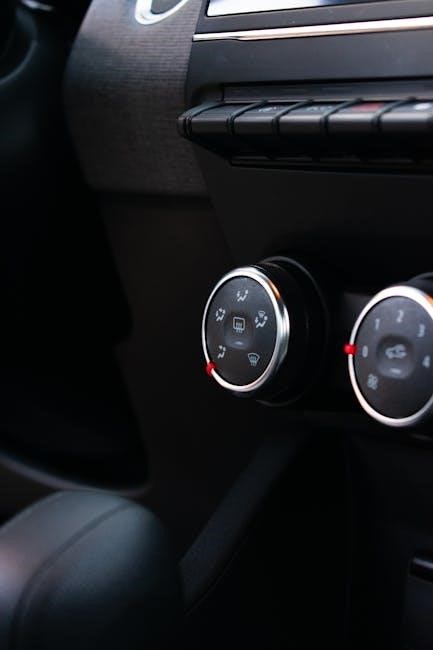
The 6.7 Cummins manual regeneration switch generally presents as a push-button style control, often integrated into the lower dashboard panel. Its face typically features clear labeling, such as “DPF Regen,” “Diesel Particulate Filter Regeneration,” or a symbol depicting an exhaust system.
An illuminated indicator light is common, signaling when the regeneration process is active. The button’s color can vary, but it’s frequently black or a shade matching the interior trim. Some models may incorporate a small display showing regeneration status. Careful observation of these visual cues aids in proper operation.
Differentiating the Regen Switch from Other Controls
Distinguishing the 6.7 Cummins regeneration switch from surrounding controls requires close attention. It’s often positioned near other auxiliary switches, like traction control or exhaust brake buttons. However, the Regen switch’s specific labeling – referencing DPF or regeneration – is a key identifier.
The illuminated icon, typically depicting an exhaust system, further sets it apart. Unlike momentary switches, the Regen button often requires a sustained press to initiate the process. Consulting the vehicle’s owner’s manual provides definitive clarification and prevents accidental activation of other systems.
Common Switch Colors and Symbols
The 6.7 Cummins manual regeneration switch commonly features a yellow or amber background, enhancing visibility. The symbol typically depicts a stylized exhaust pipe with particles emanating from it, clearly indicating its function. Some models utilize a text label reading “DPF Regen” or simply “Regen.”
Variations exist, but the consistent use of warm colors and the exhaust-related symbol aids identification. It’s crucial to differentiate this from similar-looking switches controlling other vehicle functions, ensuring correct operation during necessary DPF maintenance procedures.

Performing a Manual Regeneration – Step-by-Step
Before initiating, ensure adequate fuel and a safe, open location. Activate the switch, monitor gauges, and allow the process to complete undisturbed for optimal results.
Pre-Regeneration Checks (Fuel Level, Driving Conditions)
Prior to initiating a manual regeneration on your 6.7 Cummins, several crucial checks are essential. Maintaining a fuel level of at least ¼ tank is paramount, as the process demands sufficient diesel.
Ensure you’re in a safe, open area, away from flammable materials and traffic. Avoid regeneration in congested zones. The engine should reach operating temperature; a cold start can hinder completion.
Verify no diagnostic trouble codes (DTCs) are present unrelated to the DPF system. Addressing other issues beforehand prevents complications. Finally, confirm the vehicle is stationary during the entire regeneration cycle for optimal performance.
Initiating the Regeneration Process
With pre-regeneration checks completed, initiating the process is straightforward. Locate the manual regeneration switch – typically found on the dash, near the steering wheel, or within the driver information center.
Turn the ignition to the “ON” position, but do not start the engine. Press and hold the regeneration switch for the duration specified in your vehicle’s owner’s manual – usually several seconds.
The instrument cluster will display a message confirming regeneration has begun. Remain stationary throughout the entire cycle, which can last up to 30 minutes.
Monitoring the Regeneration Process
During regeneration, closely monitor the dashboard gauges and messages. The engine RPM will likely increase slightly, and you may notice a change in exhaust odor – this is normal.
Avoid interrupting the process; doing so can lead to incomplete soot removal and further issues. The vehicle’s computer continuously monitors the DPF temperature and adjusts the regeneration cycle accordingly.
The instrument cluster will indicate when regeneration is complete, typically with a message like “Regeneration Complete” or a disappearing icon.

Troubleshooting Common Issues with the Regen Switch
If the switch fails to initiate regeneration, check for error codes using a diagnostic scanner, and verify proper fuel levels and battery voltage.
Switch Not Responding
When the manual regeneration switch doesn’t respond, several factors could be at play. First, confirm the vehicle meets the prerequisites – sufficient fuel and appropriate driving conditions. A low battery voltage can also prevent activation.
Inspect the switch itself for physical damage or a loose connection. Utilize a diagnostic scanner to check for any stored trouble codes related to the DPF system or the switch circuit.
A blown fuse is another common culprit, so check the fuse box. If issues persist, professional diagnosis is recommended to avoid further complications.
Regeneration Fails to Complete
If the manual regeneration process initiates but doesn’t finish, it often indicates an underlying issue hindering complete soot removal. Common causes include excessively short driving cycles interrupting the process, or a severely clogged DPF restricting airflow.
Check for exhaust leaks or restrictions. Diagnostic scanners can reveal specific error codes pinpointing the problem.
Repeated failed regeneration attempts can damage the DPF, so addressing the root cause promptly is crucial. Professional inspection and potential DPF cleaning may be necessary.
Error Codes Related to the DPF System
Diagnostic Trouble Codes (DTCs) offer valuable insight when the regeneration switch encounters issues. Codes like P2002 (DPF Bank 1 Efficiency Below Threshold) or P2463 (DPF Regeneration Failed) directly relate to DPF function.
Other codes might indicate sensor failures impacting regeneration, like those from pressure or temperature sensors.
A scanner is essential to retrieve these codes, providing a starting point for diagnosis. Researching the specific code online or consulting a repair manual clarifies the problem’s nature.

Understanding DPF Regeneration Warnings and Indicators
Dashboard lights and diagnostic messages alert drivers to DPF status, prompting potential manual regeneration when the filter reaches a critical soot level.
Dashboard Warning Lights
The 6.7 Cummins DPF system utilizes several dashboard warning lights to communicate its operational status. A flashing check engine light often signifies an active regeneration cycle or a potential issue requiring attention.
Specifically, a steady illuminated “Diesel Particulate Filter” light indicates the filter is nearing capacity and regeneration is needed soon. Ignoring these warnings can lead to reduced engine power and potential damage.
Furthermore, some models display a specific “Regeneration Required” message alongside the warning light, clearly instructing the driver to initiate the process.
Diagnostic Trouble Codes (DTCs)
When dashboard warning lights illuminate, a diagnostic scanner can retrieve specific Diagnostic Trouble Codes (DTCs) related to the 6.7 Cummins DPF system. Codes beginning with ‘P2078’ often indicate DPF regeneration issues, while others pinpoint sensor failures or exhaust backpressure concerns.
Analyzing these DTCs is crucial for accurate diagnosis.
Common codes include those related to DPF soot accumulation, temperature sensor malfunctions, and problems with the exhaust gas recirculation (EGR) system, all impacting regeneration effectiveness.
Interpreting Regen Request Messages
Modern 6.7 Cummins engines display specific messages requesting Diesel Particulate Filter (DPF) regeneration. These messages, appearing on the vehicle’s information center, indicate the DPF is nearing full soot capacity and requires cleaning.
Ignoring these requests can lead to reduced engine power and potential damage.
Understanding the urgency of the message is key; some systems allow continued driving for a limited time, while others necessitate immediate regeneration initiation via the manual switch.
Safety Precautions During Manual Regeneration
Ensure a clear, open space away from flammable materials during regeneration, as exhaust temperatures significantly increase, posing a potential fire hazard to surroundings.
Choosing a Safe Location
Prior to initiating a manual regeneration on your 6.7 Cummins engine, selecting a suitable location is paramount for safety. Opt for a well-ventilated, open area, free from any combustible materials like dry grass, leaves, or vehicle fluids. Avoid parking near buildings, wooden structures, or densely packed vegetation.
The regeneration process elevates exhaust temperatures to extremely high levels, potentially igniting nearby flammable substances. Ensure ample space around the vehicle to prevent heat damage to surrounding objects. A paved or gravel surface is preferable to minimize fire risk. Consider wind direction to avoid blowing exhaust fumes towards people or structures.
Avoiding Obstructions and Combustible Materials
During a 6.7 Cummins manual regeneration, the exhaust system reaches incredibly high temperatures – exceeding 1000°F. Therefore, meticulously clear the area around the exhaust outlet of any obstructions. This includes vehicles, trailers, tools, and especially flammable materials like dry brush, hay, or spilled fuels.
Even seemingly harmless items like cardboard or plastic can ignite. Maintain a minimum clearance of 10 feet in all directions. Inspect underneath the vehicle for any accumulated debris. Prioritizing a clean and unobstructed zone minimizes the risk of accidental fires during this essential maintenance procedure.
Potential Risks and Hazards
Performing a 6.7 Cummins manual regeneration presents several potential hazards. The intense heat generated can cause severe burns upon contact with the exhaust system. Additionally, unburnt fuel may be expelled, creating a fire risk if flammable materials are nearby.
Inhaling exhaust fumes during regeneration is also harmful. Ensure adequate ventilation or wear a respirator. A failed regeneration can lead to increased soot buildup, potentially damaging the DPF and engine. Always follow safety precautions and consult your vehicle’s manual.

When to Avoid Manual Regeneration
Defer regeneration if the DPF is severely clogged, or underlying engine issues exist; forced regeneration won’t fix mechanical problems effectively.
Situations Where Regeneration Should Be Deferred
Manual regeneration should be postponed if diagnostic trouble codes (DTCs) indicate issues beyond a simple DPF clog, such as fuel system or injector problems. Attempting regeneration with existing mechanical faults can exacerbate damage.
Furthermore, avoid initiating regeneration in areas with flammable materials or near structures. A fully functioning exhaust system is essential; leaks can create fire hazards during the high-temperature process.
Finally, if the engine is experiencing significant power loss or unusual noises, address those concerns before attempting a regeneration cycle, as they may indicate a more serious underlying issue.
Potential Damage from Forced Regeneration
Forcing regeneration when the system isn’t ready can lead to significant engine damage. Excessive heat generated during the process may warp or crack the DPF, increasing repair costs substantially.
Furthermore, incomplete combustion during a forced regen can dilute engine oil, reducing its lubricating properties and accelerating wear on critical components like pistons and bearings.
Repeatedly forcing regeneration instead of addressing the root cause of DPF clogging can also compromise the engine’s overall efficiency and longevity, potentially leading to catastrophic failure.
Addressing Underlying Issues Before Regenerating
Before initiating a manual regeneration, identify and resolve the cause of frequent DPF clogging. Common culprits include faulty fuel injectors, coolant leaks into the cylinders, or issues with the turbocharger.
Ignoring these problems and solely relying on regeneration is a temporary fix, leading to recurring issues and potential engine damage.
A thorough diagnostic scan can pinpoint the root cause, ensuring a lasting solution and preventing further complications with the emissions system and overall engine health.
The Impact of EPA 07 Diesel Regulations on Regeneration
EPA 07 standards demand cleaner emissions, increasing regeneration frequency in 6.7 Cummins engines, potentially requiring drivers to pause during routes for filter maintenance.
Stricter Emissions Standards and Increased Regen Frequency
The implementation of EPA 07 diesel regulations has significantly tightened permissible emissions levels for vehicles equipped with the 6.7 Cummins engine. Consequently, the Diesel Particulate Filter (DPF) now accumulates soot at a faster rate, necessitating more frequent regeneration cycles. This heightened demand for regeneration directly impacts drivers, potentially requiring planned stops during operation to initiate and complete the process.
Understanding the location of the manual regeneration switch becomes paramount, allowing for proactive maintenance and preventing potential performance issues or costly repairs related to a clogged DPF system. Regular regeneration is key to compliance.
The Role of Regeneration in Meeting Compliance
Regeneration is absolutely vital for 6.7 Cummins engines to adhere to stringent EPA emissions regulations. The process burns off accumulated soot within the Diesel Particulate Filter (DPF), ensuring exhaust gases meet legal standards. Knowing the manual regeneration switch location empowers drivers to actively participate in maintaining compliance, especially during long hauls or in situations where automatic regeneration isn’t feasible.
Failing to regenerate properly can lead to penalties and decreased engine efficiency, highlighting the importance of driver awareness and accessibility to the switch.
Future Trends in Diesel Emissions Control
As diesel emissions standards continue to tighten, the role of sophisticated aftertreatment systems – and driver interaction with them – will evolve. While fully automated regeneration systems are being developed, understanding the location and function of the 6.7 Cummins manual regeneration switch remains relevant.
Future technologies may focus on more efficient DPF designs and predictive regeneration, but driver awareness of potential issues and manual override capabilities will likely persist for the foreseeable future.
Tools and Resources for DPF Maintenance
Accessing vehicle-specific diagrams and owner’s manuals is vital for locating the 6.7 Cummins manual regeneration switch and understanding its proper operation.
Diagnostic Scanners and Software
Utilizing a quality diagnostic scanner is paramount when addressing concerns related to the 6.7 Cummins manual regeneration switch and DPF system. These tools can pinpoint the exact location of any associated diagnostic trouble codes (DTCs), offering valuable insights into potential issues. Advanced software often displays schematics illustrating the switch’s placement within the vehicle’s cab, streamlining the identification process. Furthermore, scanners can confirm successful regeneration initiation and monitor the process, ensuring optimal DPF functionality. Compatibility with the specific vehicle year and model is crucial for accurate data retrieval and effective troubleshooting.
Online Forums and Communities
Dedicated online forums and communities centered around Cummins diesel engines represent a valuable resource for locating the 6.7 Cummins manual regeneration switch. Members frequently share detailed photos and videos illustrating the switch’s position within various Ram and Dodge truck models and years. These platforms allow owners to exchange experiences, troubleshooting tips, and confirm switch locations based on specific vehicle configurations. Searching archived threads can quickly reveal solutions to common location-related questions, offering practical assistance beyond official documentation.
Official Cummins and Ram Documentation
The most reliable source for pinpointing the 6.7 Cummins manual regeneration switch location is the official owner’s manual for your specific Ram or Dodge truck model year. Cummins also provides detailed service manuals, often available through authorized dealerships or online subscription services. These documents contain diagrams and precise instructions, ensuring accurate identification. Referencing these resources guarantees you’re consulting factory-approved information, avoiding potential misinterpretations found elsewhere and ensuring correct operation.
Leave a Reply
You must be logged in to post a comment.