
This plan is designed for individuals aiming to complete a 5k race within four weeks, blending endurance and speed work for optimal results.
Whether you’re a beginner or have some running experience, this guide provides a structured approach to achieve your 5k goal effectively.
It’s achievable for all fitness levels with patience, persistence, and motivation, offering a rewarding challenge and a sense of accomplishment.
Why a 5k is a Great Goal
The 5k distance strikes a perfect balance, being accessible for newcomers to running while still presenting a challenge for seasoned marathoners. It’s a sweet spot race, readily available on most weekends, making participation convenient and fostering a strong sense of community.
Completing a 5k builds cardiovascular fitness, boosts endurance, and contributes to overall well-being. The relatively short training commitment – just four weeks – makes it an attainable goal, even with a busy lifestyle. Successfully finishing a 5k instills confidence and motivates further fitness pursuits, potentially leading to longer distances.
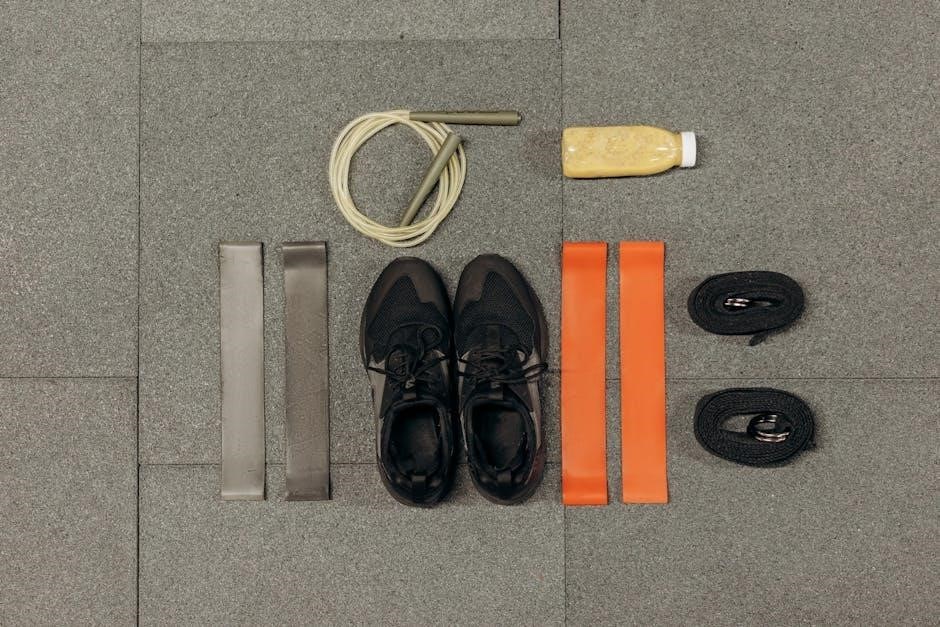
Furthermore, the 5k requires minimal specialized equipment, primarily just a good pair of running shoes, reducing the barrier to entry and making it a financially viable option.
Who This Plan Is For
This 4-week 5k plan is tailored for individuals with some existing fitness, capable of comfortably walking for 30 minutes. Complete beginners might benefit from an initial 2-3 month base-building phase before starting; However, even those new to running can succeed with patience and consistent effort.
Intermediate runners aiming for a personal best will also find value in this structured approach, incorporating tempo runs and speed work. The plan accommodates varying experience levels, offering a scalable framework for improvement. It’s ideal for those seeking a focused, time-efficient training regimen.
Ultimately, anyone motivated to complete a 5k and willing to commit to a consistent schedule can benefit from this plan.
Week 1: Building a Base
Focus on establishing a consistent running routine with easy runs and cross-training, gradually increasing mileage to prepare your body for the weeks ahead.
Monday: Easy Run ⏤ 20-25 Minutes
Begin the week with a comfortable-paced run, focusing on maintaining a conversational effort for 20 to 25 minutes. This isn’t about speed; it’s about building endurance and getting your legs moving after the weekend’s rest.
Prioritize proper form and listen to your body, slowing down or taking walk breaks if needed. This easy run establishes a foundation for the more intense workouts later in the week.
Remember to warm up with 5 minutes of brisk walking and dynamic stretching before your run, and cool down with 5 minutes of walking and static stretching afterward.
Tuesday: Cross-Training & Stretching
Today focuses on active recovery and strengthening supporting muscles through cross-training. Choose low-impact activities like swimming, cycling, yoga, or strength training to build fitness without stressing your running muscles.
Dedicate time to stretching, holding each stretch for 30 seconds to improve flexibility and prevent injuries. Focus on major muscle groups used in running, including hamstrings, quads, calves, and hip flexors.
This combination aids recovery, enhances overall fitness, and prepares your body for the upcoming workouts, contributing to a well-rounded training approach.
Wednesday: Fartlek Training ⏤ 20 Minutes
Fartlek, Swedish for “speed play,” introduces varied paces into your run. Warm up for 5 minutes, then alternate between fast running bursts (60-90 seconds) and slower recovery jogging (2-3 minutes).
This unstructured approach builds speed and endurance simultaneously, improving your body’s ability to handle changing paces. Listen to your body and adjust the intervals as needed.
Focus on effort rather than precise timing, making it a fun and adaptable workout. Cool down with 5 minutes of easy jogging and stretching to complete the session.
Thursday: Rest or Active Recovery
Recovery is crucial for muscle repair and preventing injuries. Choose complete rest or opt for active recovery, like a gentle walk, yoga, or stretching session.

Active recovery promotes blood flow, reducing muscle soreness and stiffness without adding significant stress to your body. Avoid intense activities on this day.
Prioritize sleep and proper nutrition to support your body’s recovery process. Listen to your body’s signals and adjust your activity level accordingly, ensuring you’re refreshed for the next workout.

Friday: Easy Run ⸺ 25 Minutes
This easy run should be conversational pace – you should be able to hold a comfortable conversation while running. Focus on maintaining good form and a relaxed stride throughout the 25 minutes.
Don’t push the pace; the goal is to build endurance and recover from earlier workouts. This run serves as a bridge between harder sessions and the weekend’s long run.
Pay attention to your body and adjust the pace if needed. Proper warm-up and cool-down are essential for injury prevention and maximizing the benefits of the run.
Saturday: Long Run ⸺ 30 Minutes
The Saturday long run is crucial for building endurance, a key component of 5k success. Maintain a comfortable, conversational pace throughout the 30 minutes, focusing on consistent effort.
This isn’t about speed; it’s about time on your feet. Hydrate well before, during (if needed for longer runs later in the plan), and after the run to support recovery.
Listen to your body and don’t hesitate to walk breaks if necessary. A proper warm-up and cool-down are vital for preventing injuries and maximizing the benefits of this key workout.
Sunday: Rest
Sunday is dedicated to complete rest, allowing your body to recover and rebuild after the week’s training. This is just as important as the workouts themselves, preventing overtraining and injury.
Avoid strenuous activity; instead, focus on light activities like gentle stretching or a leisurely walk if desired. Prioritize sleep and proper nutrition to support muscle repair and glycogen replenishment.
Rest doesn’t mean inactivity, but it does mean avoiding anything that puts significant stress on your body. Embrace this day for mental and physical rejuvenation, preparing you for the next week.

Week 2: Increasing Endurance
This week focuses on building stamina with longer runs and strength training, preparing your body for the challenges ahead in the 4-week plan.
Monday: Easy Run ⸺ 25 Minutes
Start the week with a comfortable, conversational-paced run for 25 minutes. This easy run isn’t about speed; it’s about building aerobic base and loosening up your muscles after the weekend.
Focus on maintaining a pace where you can easily hold a conversation without gasping for air. If you’re new to running, feel free to incorporate walking breaks as needed.
The goal is to gently increase blood flow and prepare your body for the more intense workouts later in the week, ensuring you’re ready to tackle the challenges ahead.
Tuesday: Strength Training
Dedicate Tuesday to strengthening key muscle groups vital for running performance and injury prevention. Focus on exercises targeting your legs, core, and glutes.
Include squats, lunges, planks, and calf raises in your routine. Aim for 2-3 sets of 10-12 repetitions for each exercise. Remember proper form is crucial to avoid strain;
Strength training enhances running efficiency, improves power, and builds resilience. It complements your running workouts, contributing to overall fitness and reducing the risk of setbacks.
Wednesday: Interval Training
Wednesday’s session focuses on interval training, a powerful method to boost your speed and cardiovascular fitness. This involves alternating between high-intensity bursts and recovery periods.
A sample workout could include 6-8 repetitions of 400-meter fast runs with equal recovery jogs. Warm up thoroughly before starting and cool down afterward.
Intervals improve your VO2 max, running economy, and ability to handle faster paces. They are a key component for achieving a personal best in your 5k race, building both speed and endurance.
Thursday: Rest
Thursday is dedicated to complete rest, a crucial element often overlooked in training plans. Allowing your body to recover is just as important as the workouts themselves.
Rest days enable muscle repair, glycogen replenishment, and prevent overtraining, reducing the risk of injury. Don’t feel guilty about taking a day off; it’s a strategic part of the process.
Prioritize sleep and proper nutrition on this day to maximize recovery; Active recovery, like gentle stretching, is acceptable if complete rest feels difficult, but avoid strenuous activity.
Friday: Easy Run ⸺ 30 Minutes
Friday’s run should be conversational pace, meaning you can comfortably hold a conversation while running. This isn’t about speed; it’s about building aerobic endurance and reinforcing good running form.
Focus on maintaining a relaxed effort level throughout the 30 minutes. If you find yourself gasping for air, slow down; This run prepares your legs for the longer effort on Saturday.
Warm up with 5 minutes of walking or light jogging, and cool down with another 5 minutes of walking and stretching. Consistency at an easy pace is key to progress.
Saturday: Long Run ⏤ 35 Minutes
Saturday’s long run is crucial for building endurance, a cornerstone of 5k success. Maintain a comfortable, conversational pace throughout the 35 minutes; this isn’t a speed workout.
Focus on completing the distance rather than hitting a specific time. Proper hydration is vital – drink water before, during (if needed), and after your run. Listen to your body and take walk breaks if necessary.
A thorough warm-up (5 minutes) and cool-down (5 minutes with stretching) are essential for injury prevention and recovery. This run prepares you for the final week!
Sunday: Active Recovery
Sunday is dedicated to active recovery, aiding muscle repair and reducing soreness after Saturday’s long run. This doesn’t mean complete rest; instead, engage in low-impact activities like walking, yoga, or gentle cycling.
Aim for 30-45 minutes of light exercise to promote blood flow without stressing your body. Stretching is also beneficial, focusing on major muscle groups used during running. Prioritize hydration and nutrition to support recovery.
Active recovery prepares your body for the challenges of Week 3, ensuring you’re refreshed and ready to tackle speed work effectively;

Week 3: Adding Speed Work
This week introduces tempo runs and cross-training, building speed and endurance while preparing your body for the final race week challenges.
Focus on consistent effort and proper form to maximize benefits and minimize injury risk during these more intense workouts.
Monday: Easy Run ⸺ 30 Minutes
Begin the week with a comfortable, conversational-paced run lasting 30 minutes. This easy run serves as active recovery, allowing your muscles to recover from the weekend’s long run while maintaining cardiovascular fitness.
Focus on maintaining a pace where you can easily hold a conversation; avoid pushing yourself too hard. This isn’t about speed, but about building a solid base and preparing your body for the more intense workouts later in the week.
Pay attention to your body and adjust the pace as needed, ensuring a relaxed and enjoyable running experience. Proper warm-up and cool-down stretches are crucial for injury prevention.
Tuesday: Tempo Run
A tempo run is a sustained effort run at a comfortably hard pace – think “comfortably uncomfortable.” Begin with a 10-minute warm-up of easy jogging, then run for 20 minutes at a pace you could maintain for about an hour.
This pace should feel challenging, but not all-out sprinting. Following the tempo portion, cool down with another 10 minutes of easy jogging. Tempo runs improve your lactate threshold, enhancing your endurance and speed.
Focus on consistent effort throughout the 20-minute segment, and remember to listen to your body, adjusting the pace if needed to maintain good form.
Wednesday: Cross-Training
Today focuses on cross-training, a vital component for building overall fitness and preventing injuries. Engage in activities like swimming, cycling, yoga, or strength training for 30-45 minutes.
These activities work different muscle groups than running, promoting balanced development and reducing the risk of overuse injuries. Incorporate stretching and mobility exercises to improve flexibility and range of motion.
Cross-training provides a mental break from running while still contributing to your cardiovascular fitness, ensuring a well-rounded training approach.
Today is dedicated to complete rest, allowing your body to recover and rebuild after the week’s training sessions. Prioritize sleep and avoid strenuous activity.
Rest is just as important as training; it’s when your muscles repair and adapt, becoming stronger and more resilient. Active recovery, like a gentle walk, is optional but avoid intense exercise.
Listen to your body and don’t push through fatigue. Adequate rest prevents injuries and ensures you’re fresh and ready for the next training session, maximizing your progress.
Friday: Easy Run ⸺ 20 Minutes
Today’s run should be conversational pace – you should be able to hold a comfortable conversation while running. Focus on maintaining good form and a relaxed stride.
This easy run serves as active recovery, flushing out lactic acid and promoting blood flow to your muscles. Keep the intensity low and prioritize completing the full 20 minutes.
Don’t worry about speed; the goal is to build endurance and reinforce proper running mechanics. This run prepares you for the longer effort on Saturday, building confidence.
Saturday: Long Run ⏤ 40 Minutes
This week’s long run is a cornerstone of your 5k training, building crucial endurance. Maintain a conversational pace, focusing on completing the distance rather than speed.
Hydrate well before, during (if needed), and after the run. Listen to your body and take walk breaks if necessary, especially during the latter stages.
The 40-minute duration gradually increases your body’s ability to sustain effort over time. This run prepares you mentally and physically for the demands of the 5k race itself.
Complete rest is paramount for recovery and preventing injuries during this 4-week 5k training plan. Your body needs time to repair muscle tissue and replenish energy stores after the week’s workouts.
Avoid strenuous activities; instead, focus on light relaxation. Gentle stretching or a leisurely walk are acceptable, but prioritize minimizing physical stress.
Adequate sleep is also crucial – aim for 7-9 hours to optimize recovery. Proper rest ensures you’re fully prepared for the challenges of the upcoming week’s training sessions.

Week 4: Race Week & Tapering
This final week focuses on reducing mileage to conserve energy for race day, incorporating short, easy runs and essential rest for peak performance.
Monday: Easy Run ⸺ 10 Minutes
Kick off race week with a very gentle, short run. This isn’t about pushing your limits; it’s about loosening your muscles and maintaining blood flow without causing fatigue.
Focus on maintaining a conversational pace – you should be able to easily hold a conversation while running. Think of it as an active recovery session rather than a hard workout.
This brief run helps to mentally prepare you for the week ahead and reinforces a positive mindset. Prioritize form and listen to your body, stopping if you feel any discomfort.
Keep it light and easy, remembering that the hard work is already done, and now it’s time to taper for a successful race!
Tuesday: Short Interval Session
This session maintains speed without excessive fatigue during taper week. Warm up with 5 minutes of easy jogging, then perform 4-6 repetitions of 200 meters at a comfortably hard pace.
Follow each interval with a 200-meter recovery jog. This helps to retain some speed while minimizing the risk of injury or overtraining before race day.
Focus on good form and controlled breathing during the intervals. Don’t push yourself to your absolute maximum; aim for a challenging but sustainable effort.
Cool down with another 5 minutes of easy jogging. This session is a final reminder to your legs of what race pace feels like.
Wednesday: Rest
Prioritize complete rest on Wednesdays, especially during weeks 3 and 4, to allow your body to recover and rebuild. This is crucial for preventing injuries and maximizing performance on race day.
Avoid strenuous activities; instead, focus on light recovery if desired, such as gentle stretching or a very easy walk. Active recovery should not be taxing.
Adequate sleep is also essential during this time. Aim for 7-9 hours of quality sleep each night to support muscle repair and overall recovery.
Listen to your body and don’t hesitate to take an extra rest day if you’re feeling particularly fatigued or sore.
Thursday: Easy Run ⸺ 10 Minutes
This short, easy run serves as an active recovery session, helping to flush out metabolic waste and reduce muscle soreness after more intense workouts. Maintain a conversational pace – you should be able to talk comfortably.
Focus on good form and relaxed breathing throughout the run. Don’t worry about speed; the goal is simply to keep your legs moving and promote blood flow.
This is particularly important during race week (Week 4) as part of the tapering process, reducing overall mileage to ensure freshness for the 5k.
Warm-up briefly before and cool down afterward with some light stretching.

Friday: Rest
Complete rest is crucial for muscle recovery and preventing injuries. Your body needs time to rebuild and adapt after the stresses of training throughout the week. Don’t underestimate the power of a dedicated rest day!
Avoid strenuous activity, but light movement like a gentle walk is acceptable. Prioritize sleep and proper nutrition to support your body’s recovery processes.
This is especially vital during race week (Week 4) to ensure you are fully recovered and energized for your 5k race on Saturday.
Listen to your body and don’t push through fatigue.
Saturday: RACE DAY!
Congratulations! Today is the culmination of your four-week training plan. Arrive early to allow time for parking, registration, and a proper warm-up. Focus on staying relaxed and positive.
Remember your pacing strategy – don’t start too fast! Maintain a consistent effort throughout the race, and listen to your body. Enjoy the atmosphere and the support of fellow runners.
Visualize success and believe in your ability to finish strong. This is your moment to shine and celebrate your accomplishment!
Most importantly, have fun!
Sunday: Recovery Run/Walk
Today focuses on active recovery to help your muscles repair and rebuild after the race. A gentle run or walk is ideal, keeping the intensity very low and the duration short – around 20-30 minutes.
Prioritize listening to your body; if you’re still sore, opt for a walk or light stretching instead. Hydrate well and continue to nourish your body with healthy foods.
This isn’t about pushing yourself, but rather promoting blood flow and reducing muscle stiffness. Prepare for a fresh start to your training next week!
Leave a Reply
You must be logged in to post a comment.